Clinical Areas:

Retina and Fundus

Glaucoma and Intraocular Pressure

Myopia Control

Cataract

  • Home
  • Luxvision Trial Lens Set TL-266

Luxvision Trial Lens Set TL-266

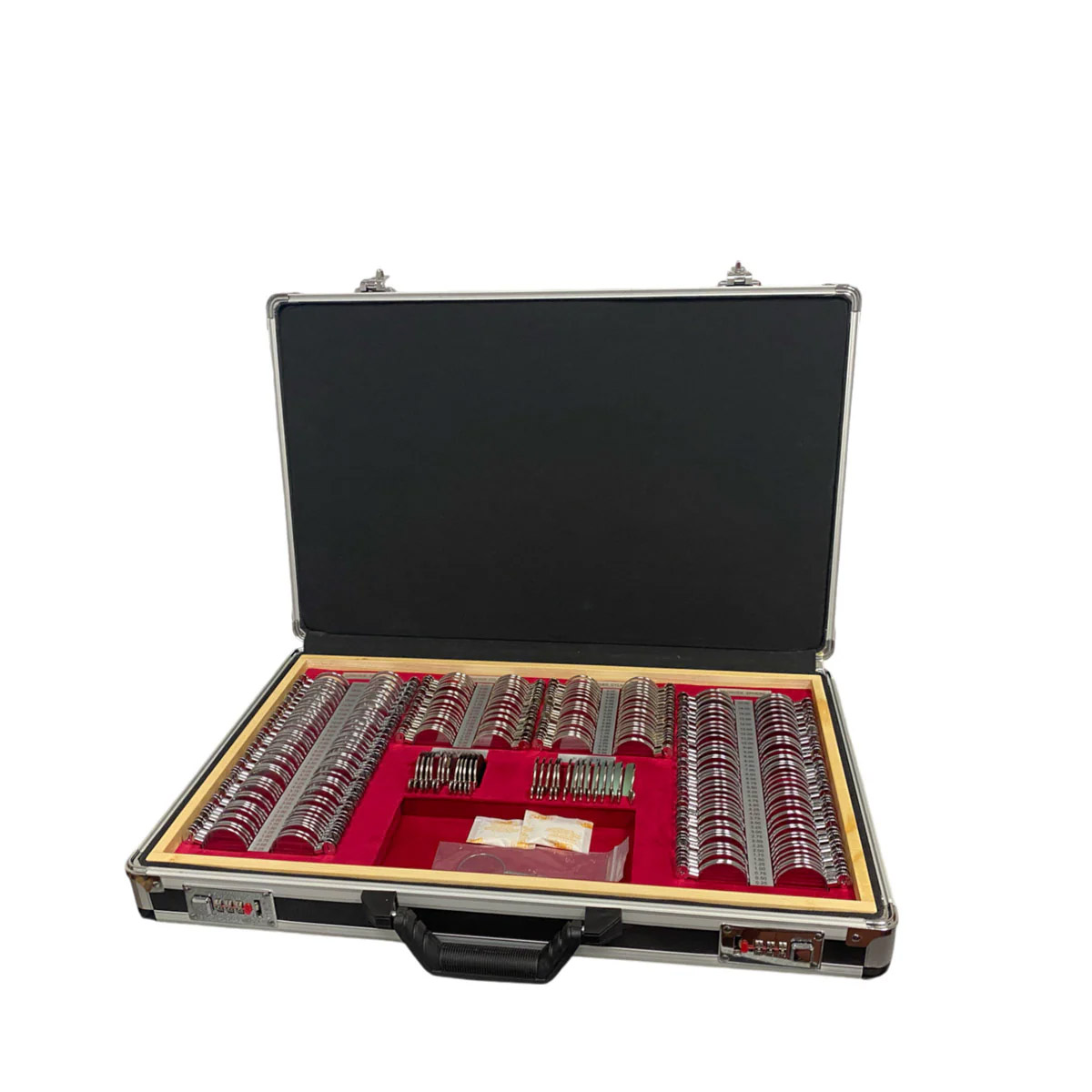
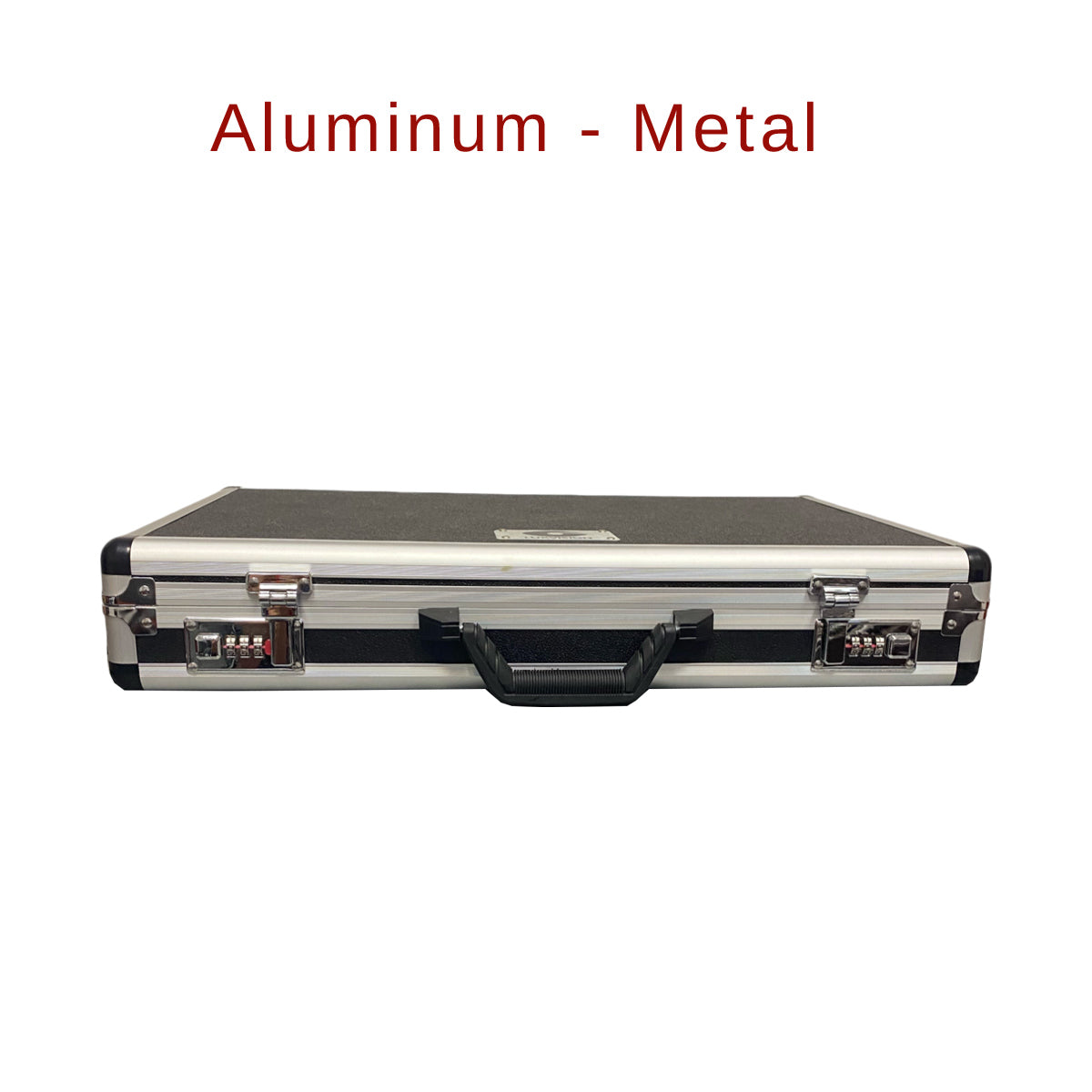
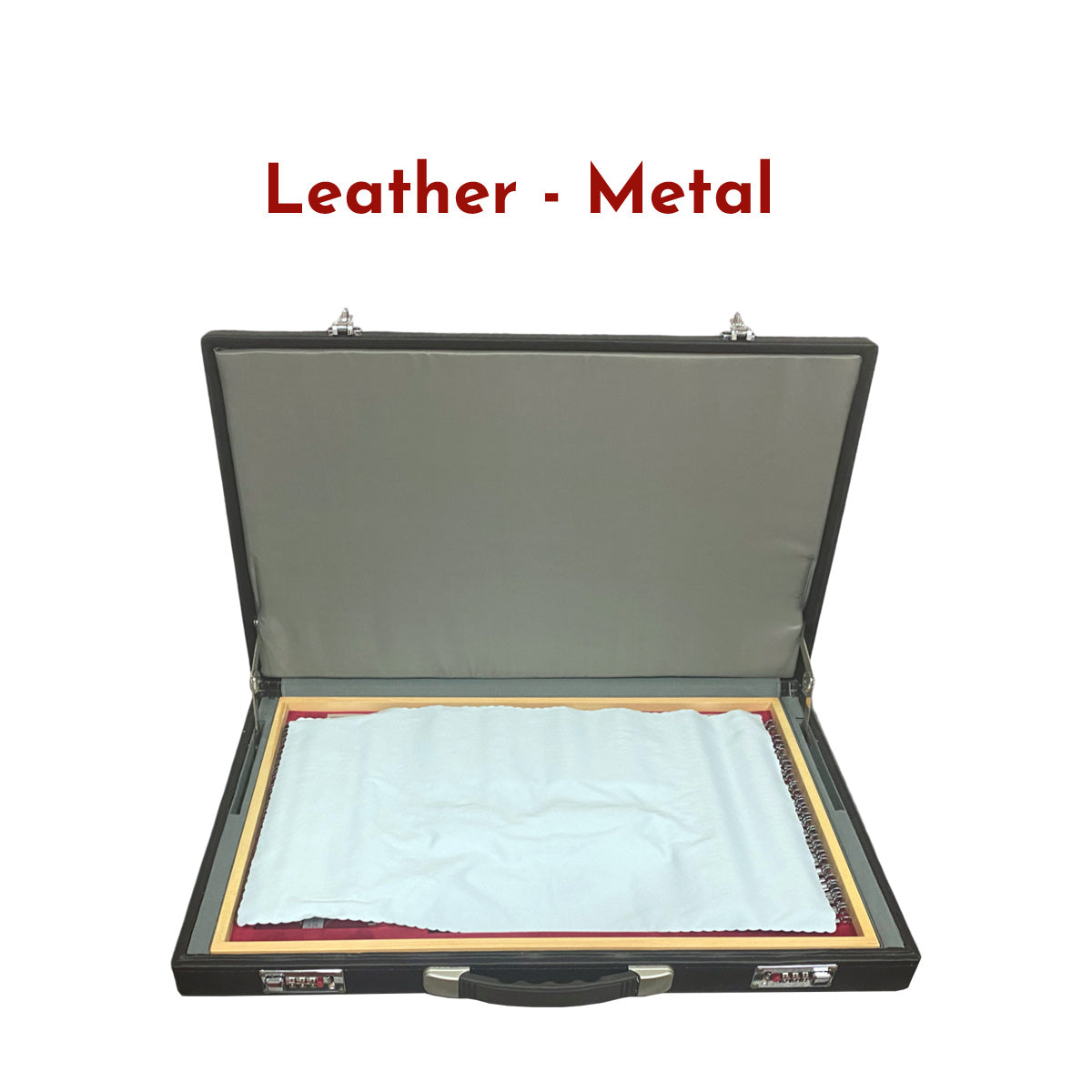
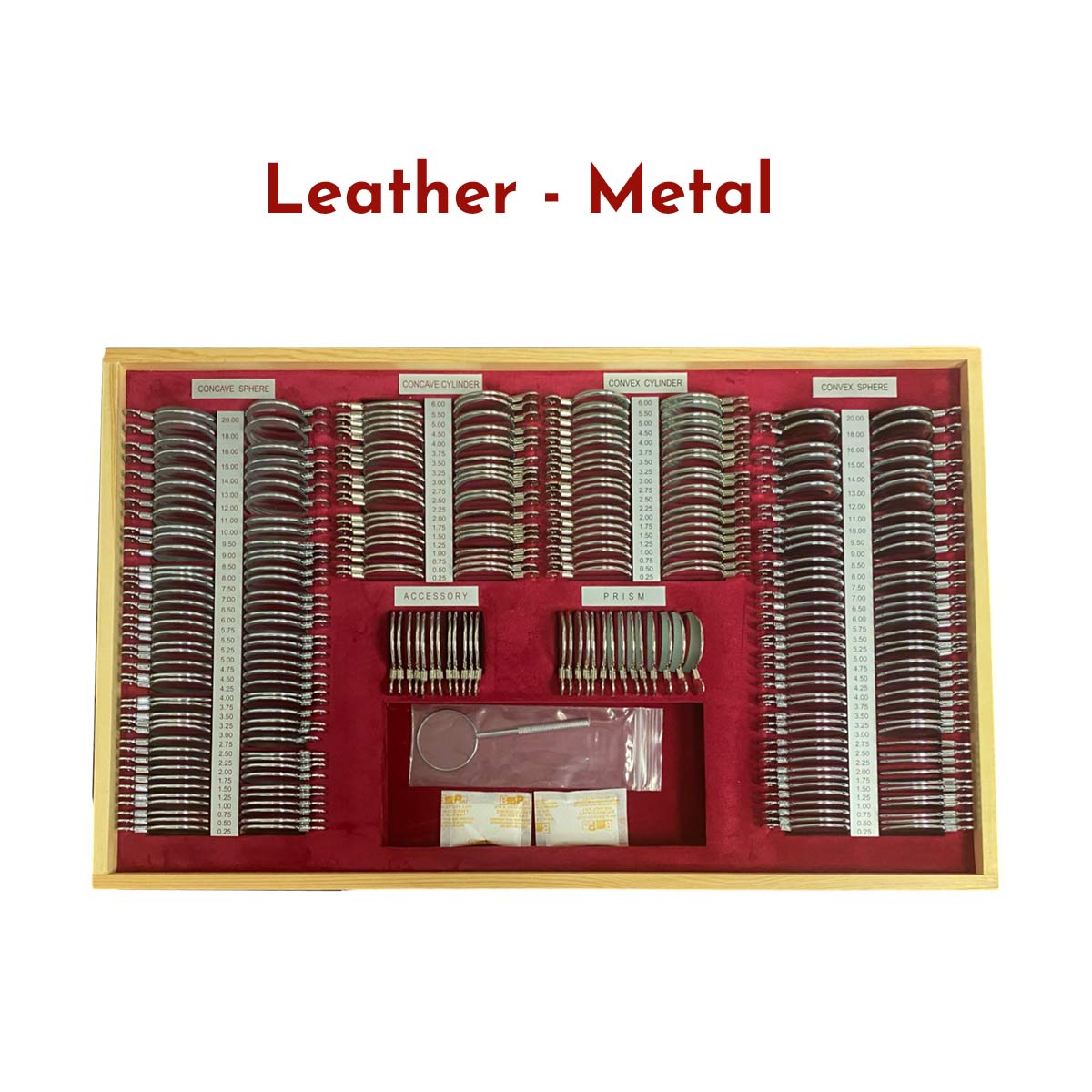
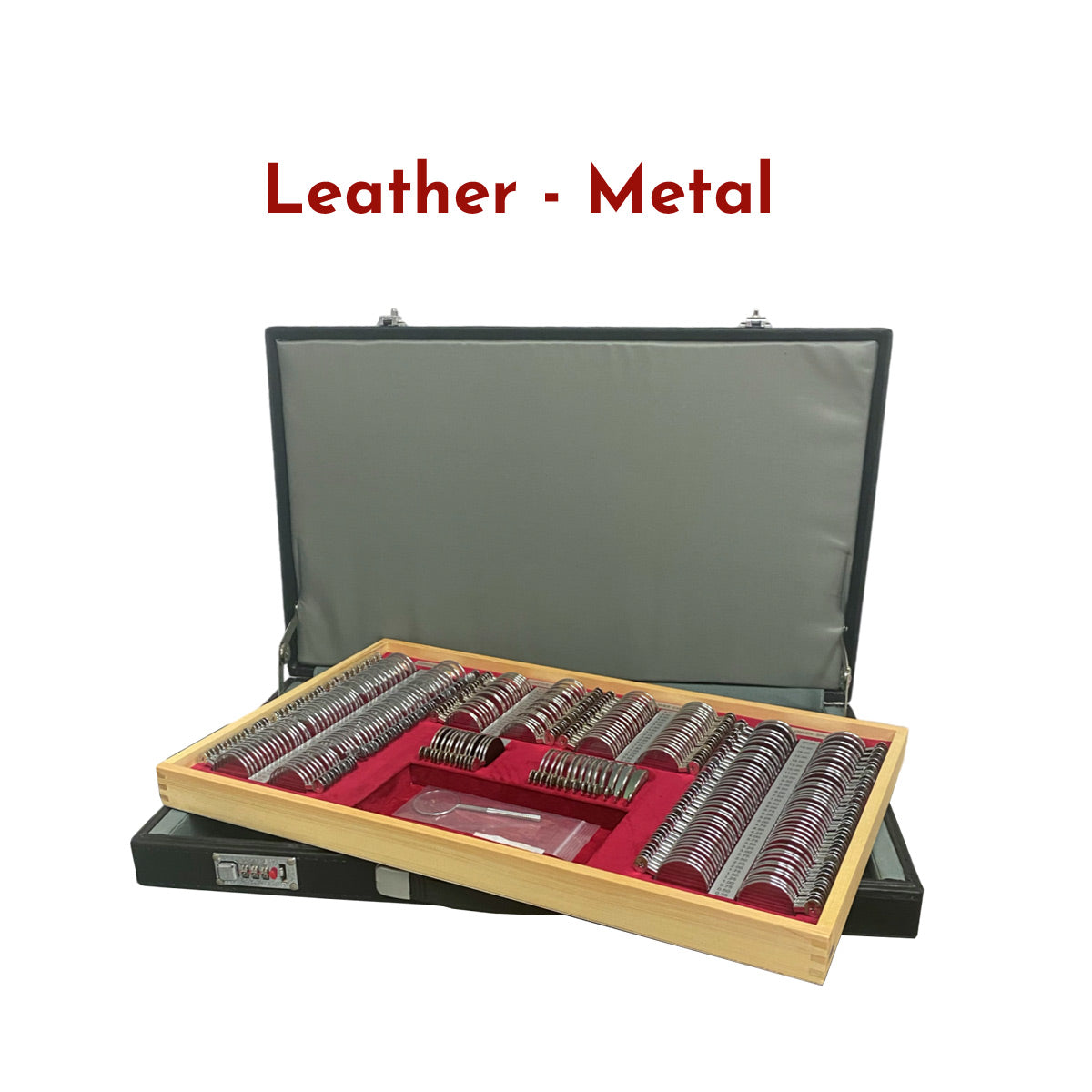
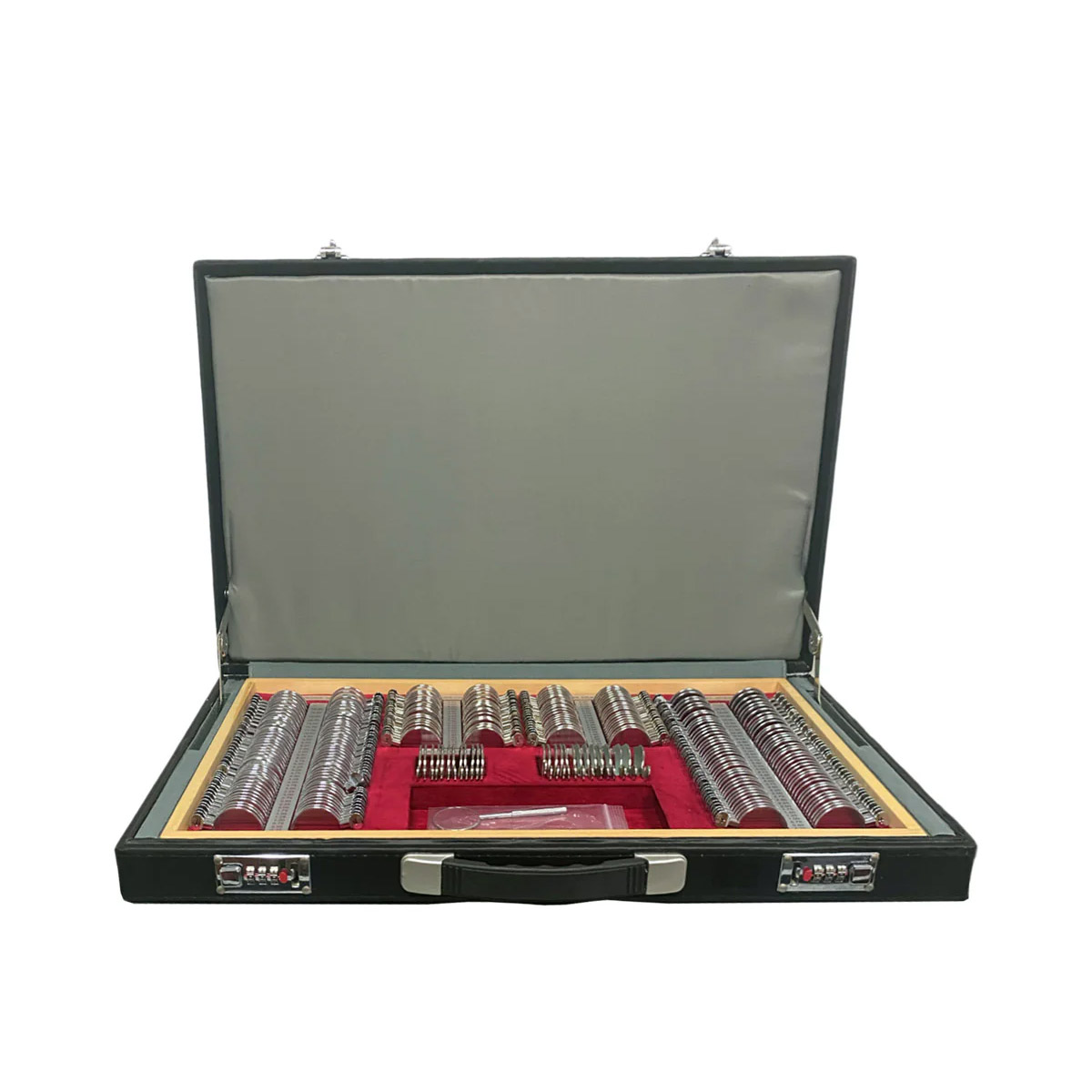
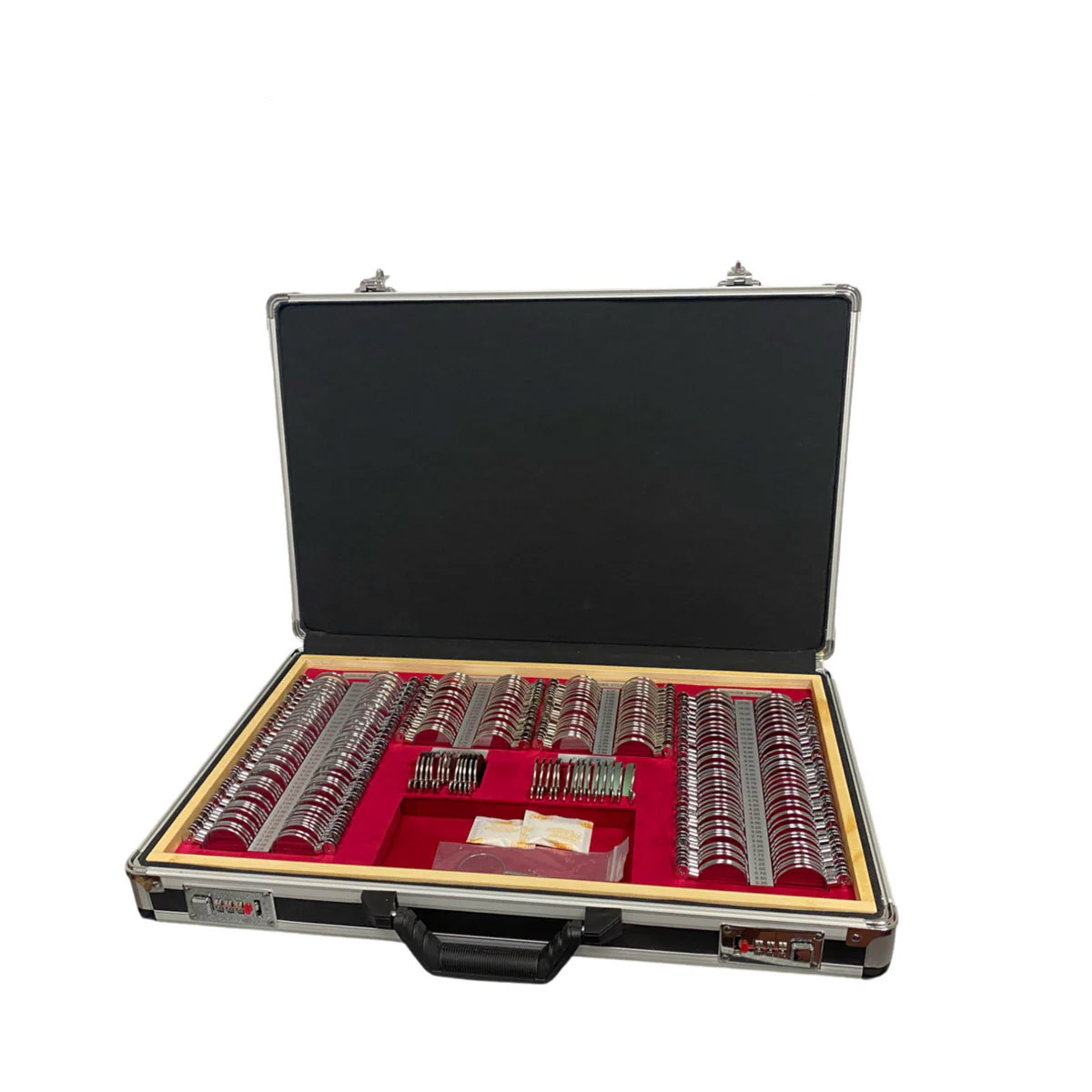
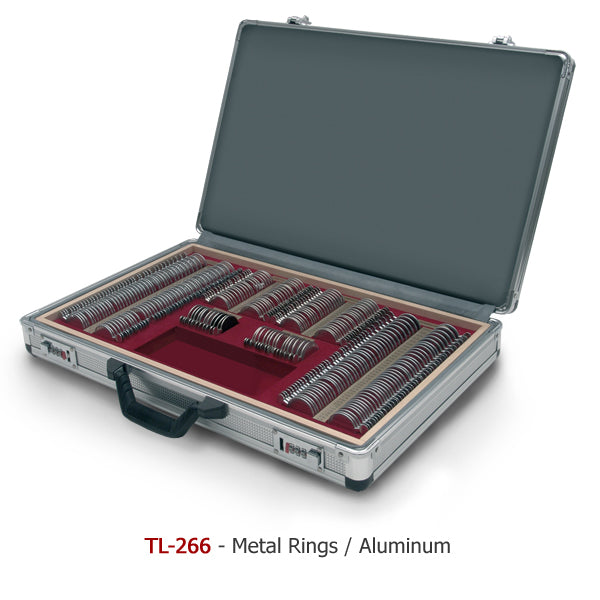
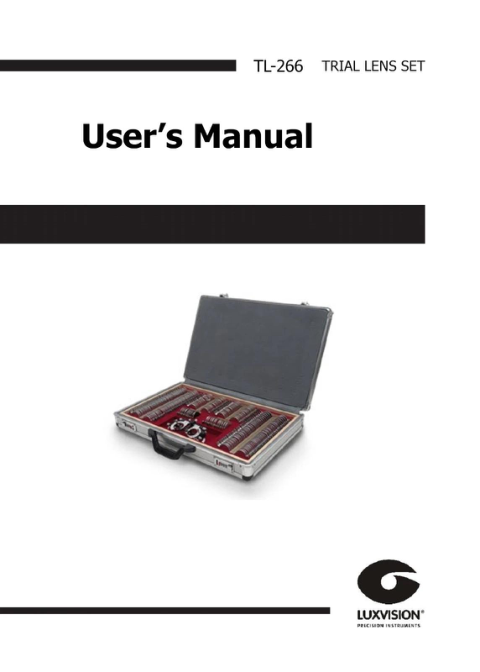
The Luxvision TL-266 features 266 hand-crafted glass lenses secured in metal rings. This robust case is available in your choice of leather or aluminum housing with a removable tray, diopter indicators, and dual combination locks for added security. The wide sphere and cylinder powers, two cross cylinder lenses, and a variety of accessory lenses will allow you to perform better testing across your entire patient base. This classic form of refraction enhances prescription accuracy particularly for low vision patients, offering a precise vertex distance, which is highly useful for patients with high refractive errors. Similarly, any patient who relies on eccentric viewing and needs to move their eyes or head to see around a scotoma can greatly benefit from trial frame refraction.

* Trial Frame Not Included

Talk to a specialist

266 handcrafted glass lenses with metal frames

Complete set crafted with artisanal precision, ensuring superior durability and optical quality. The metal frames provide resistance and stability during refractive examination.

Wide diopter range for all ametropias

Spheres from ± 0.25D to ± 20.00D and cylinders from ± 0.25D to ± 6.00D allow examination of everything from mild refractive errors to high-prescription cases. Especially effective for low vision patients requiring precise vertex distance.

Specialized accessory lenses included

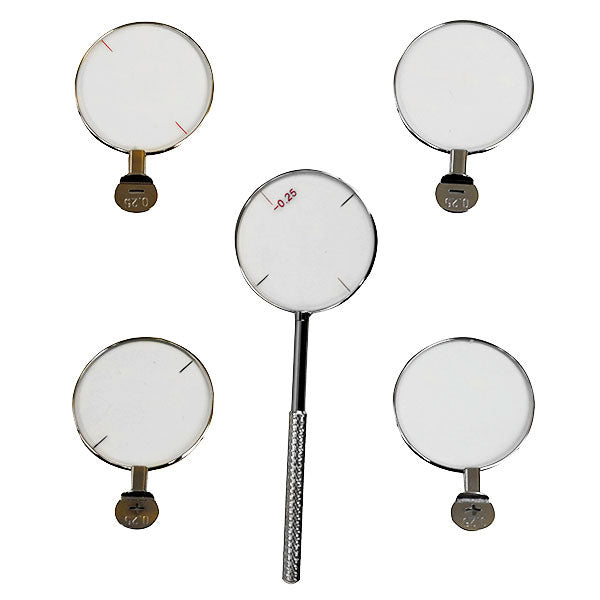
Includes cross cylinders, prisms up to 10∆D, color lenses for chromatic sensitivity and cataract assessment, plus Maddox, pinhole, occluder, and frosted lenses. A comprehensive solution for complete refraction and specialized testing.

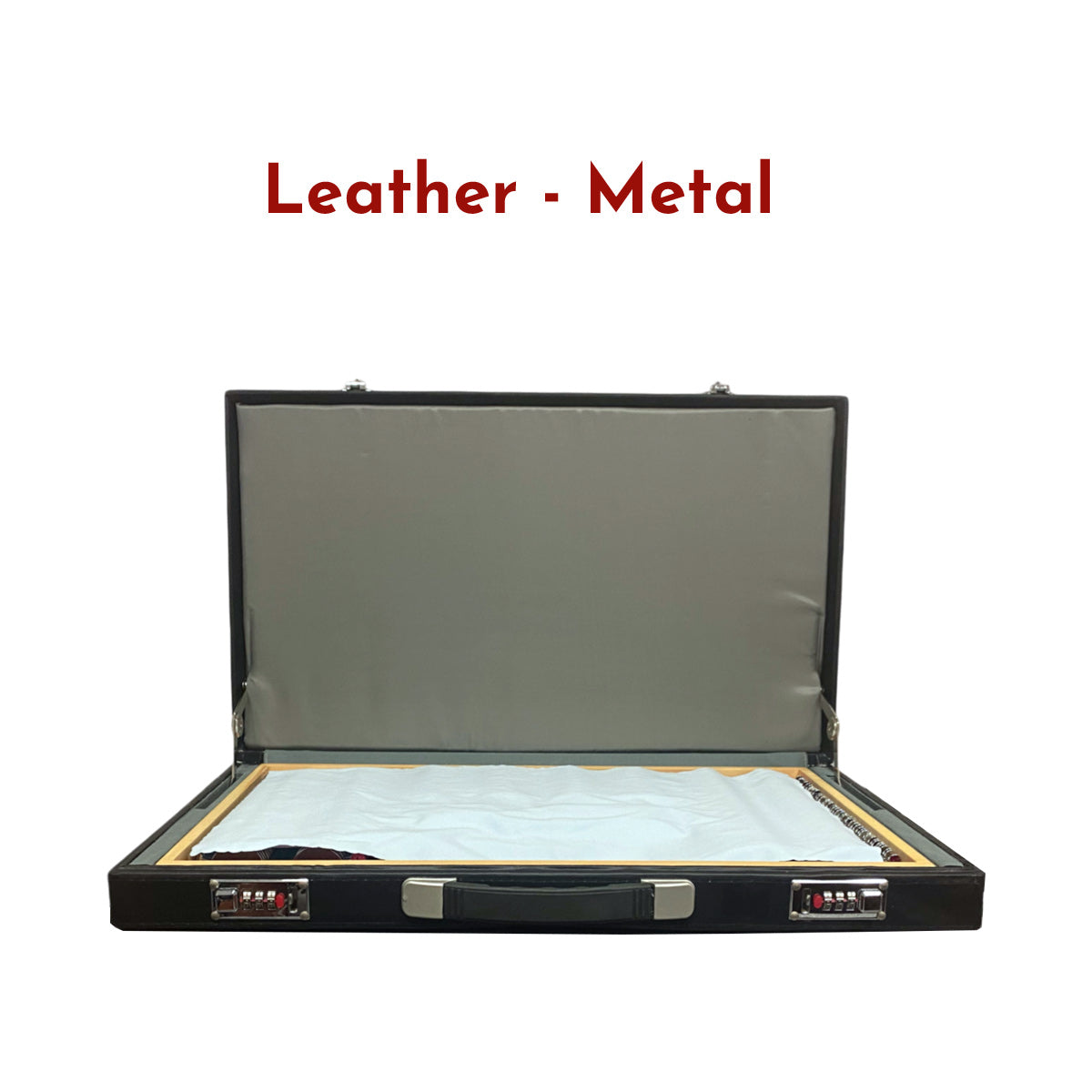
Secure case with double combination lock

Available in leather or aluminum with a removable tray and diopter indicators. Dual-lock system ensures protection of valuable equipment.


Configure your TL-266 trial lens set to match your style. This trial lens set is available in two case types, leather or aluminum, both featuring dual combination locks for added security and metal-finish rings. Use the configurator to choose your preferred case and instantly preview your combination.

Case

Rings

Metal

Your combination
Case · Metal Ring

Leather Case + Metal RingAluminum Case + Metal Ring

Spheres

The kit includes both concave (-) and convex (+) spherical lenses for examining myopia, hyperopia, and presbyopia. Powers range from ± 0.25 D to ± 20.00 D in steps of 0.25 D.

Cylinders

Examine astigmatism with the positive and negative cylindrical lenses included in the TL-266. Powers range from ± 0.25 D to ± 6.00 D.

Cross Cylinder Lenses

These lenses will help you examine the degree and axis position of the cylindrical lens when determining astigmatism.

Prisms

With the TL-266 trial lens kit you can perform prism tests of up to 10 ∆D.

Frosted Lens

Use this semi-transparent coverage lens for infants or, outside the office, as an occluder.

Slit Lens

Examine astigmatism by rotating this lens in front of the eye.

Color Lenses

The TL-266 includes red, green, blue, yellow, and dark brown color lenses for examining color sensitivity. These lenses are especially useful for patients with cataracts, as well as in color blindness testing.

Additional Lenses

The TL-266 also includes Maddox, plano, occluder, and pinhole lenses.

Safety Case

Choose between a leather or aluminum case with the TL-266. Both designs feature a double combination lock for added security.


Detailed Specifications

Concave Sphere (-) Convex Sphere (+) Concave Cylinder (-) Convex Cylinder (+) Prism Accessories
Diopter Qty. Diopter Qty. Diopter Qty. Diopter Qty. Value Qty. Element Qty.
0.25 2 5.25 2 0.25 2 5.25 2 0.25 2 Maddox 1
0.50 2 5.50 2 0.50 2 0.50 2 1.00 2 Fine cross cylinder 1
0.75 2 5.75 2 0.75 2 0.75 2 2.00 2 Pinhole 2
1.00 2 6.00 2 1.00 2 1.00 2 3.00 2 Occluder 1
1.25 2 6.50 2 1.25 2 1.25 2 4.00 2 Slit 1
1.50 2 7.00 2 1.50 2 1.50 2 5.00 1 Red filter 1
1.75 2 7.50 2 1.75 2 1.75 2 6.00 1 Green filter 1
2.00 2 8.00 2 2.00 2 2.00 2 8.00 1 Cross cylinder 1
2.25 2 8.50 2 2.25 2 2.25 2 10.00 1 Plano lens 1
2.50 2 9.00 2 2.50 2 2.50 2 Frosted lens 1
2.75 2 9.50 2 2.75 2 2.75 2 Double prisms 1
3.00 2 10.00 2 3.00 2 3.00 2
3.25 2 11.00 2 3.25 2 3.25 2
3.50 2 12.00 2 3.50 2 3.50 2
3.75 2 13.00 2 3.75 2 3.75 2
4.00 2 14.00 2 4.00 2 4.00 2
4.25 2 15.00 2 4.50 2 4.50 2
4.50 2 16.00 2 5.00 2 5.00 2
4.75 2 18.00 2 5.50 2 5.50 2
5.00 2 20.00 2 6.00 2 6.00 2

Set Components

Spheres

The curved surface is part of the spherical lens and the dioptric power is equal at all axis positions. After passing through the lens, the light beam converges at a point (or at a virtual focus). Spherical lenses include concave (-) and convex (+) lenses, and are used to examine myopia, hyperopia, and presbyopia.

Cylinders

The curved surface is part of the cylindrical lens and the dioptric power is not equal at all axis positions. After passing through the lens, the light beam converges into a straight (or broken) line. Cylindrical lenses include concave and convex versions, used to examine astigmatism.

Prisms

The tangent plane of a prismatic lens is wedge-shaped. When passing through the lens, the light beam deflects toward the base and the object shifts toward the edges. This type of lens is used to assess the ocular musculature, deviation, and latent deviation, as well as to exercise the eye muscles.

Occluder

Opaque lens used to cover the patient’s non-examined eye in a dark room.

Frosted Lens

Semi-transparent covering lens, used mainly for infants or, outside the office, as an occluder.

Slit Lens

At its center it has a slit through which light passes, while the rest of the lens blocks it. By rotating this lens in front of the eye, astigmatism can be examined: if vision improves or worsens at a given axis position, astigmatism is present; if it does not change, its existence is ruled out.

Plano Lens

Transparent, flat lens that does not deflect light passing through it. It is used to examine simulated blindness (false blindness).

Color Lenses

Available in different colors —red, green, blue, yellow, and dark brown—, they are used to examine color sensitivity. In patients whose dioptric image is cloudy (for example, with cataracts), the red or green lenses are suitable. They are also used for re-inspection and color blindness examination.

Cross Cylinder

Lens with opposite dioptric powers at two axis positions, used to determine the degree and axis position of the cylindrical lens when evaluating astigmatism. To use it, place it in front of the cylindrical lens matching one of its axes with that of the lens and rotate it 90° counterclockwise, observing the change in vision. If vision does not change, the degree of the cylindrical lens is adequate; otherwise, adjust according to the result. To correct the axis position, place the two axes of the cross cylinder at 45° on each side of the test axis and rotate counterclockwise, comparing vision in both positions, until the difference is almost imperceptible, which confirms that the cylindrical lens is in the correct position.

Maddox

On its surface it has a series of rods through which a point of light is transformed into a line perpendicular to those rods.

Pinhole (Pin Hole)

At its center it has a small hole through which the light beam passes, forming an artificial pupil. It is used to improve the diopter, especially astigmatism, when placed in front of the eye.

Manuals & Catalogs

Catalogs

Luxvision Trial Lens Set TL-266

Manuals

Luxvision Trial Lens Set TL-266