







Clinical Areas:

Retina and Fundus

Glaucoma and Intraocular Pressure

Myopia Control

Cataract

  • Home
  • Huvitz Autorefractor Keratometer HRK-8100A

Huvitz Autorefractor Keratometer HRK-8100A

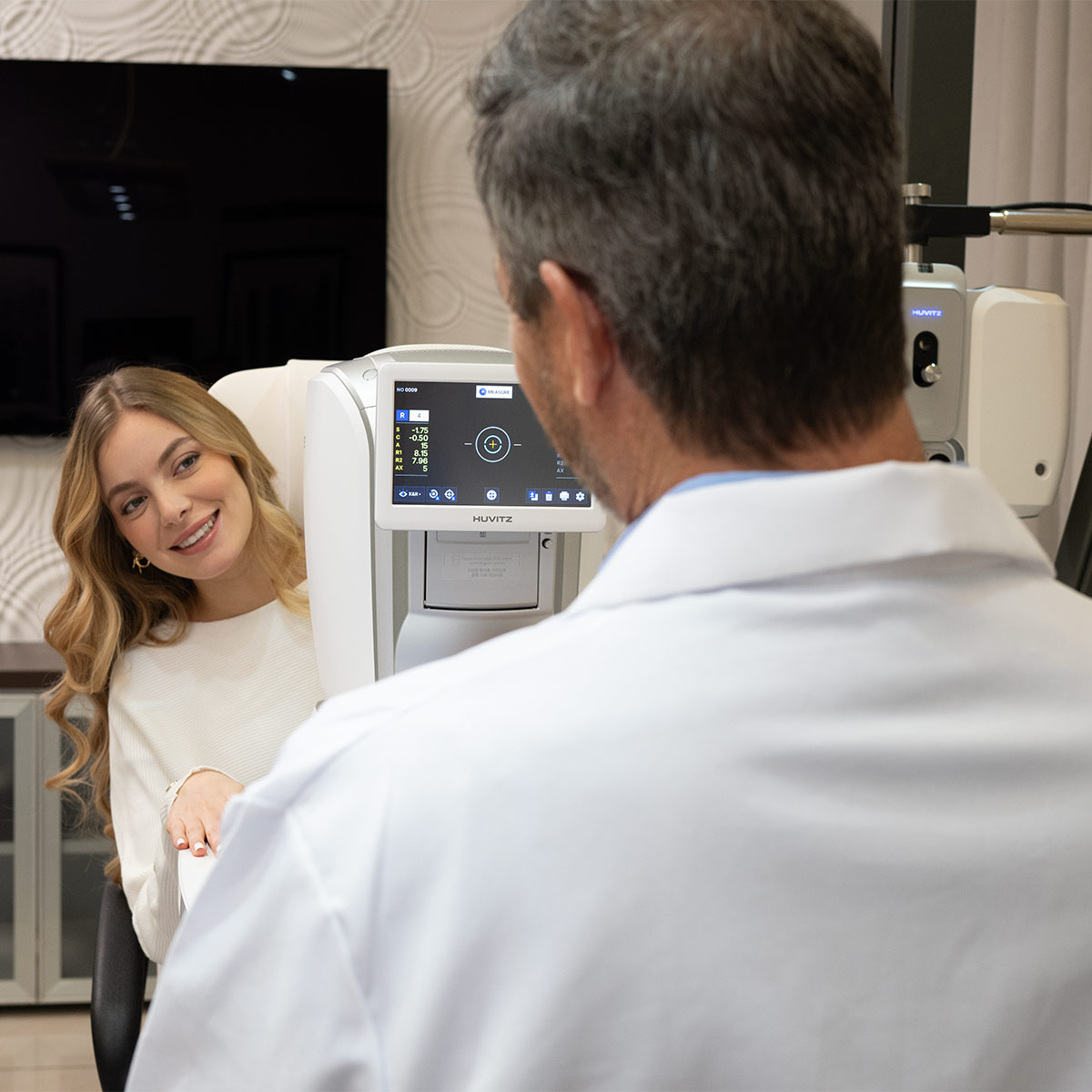
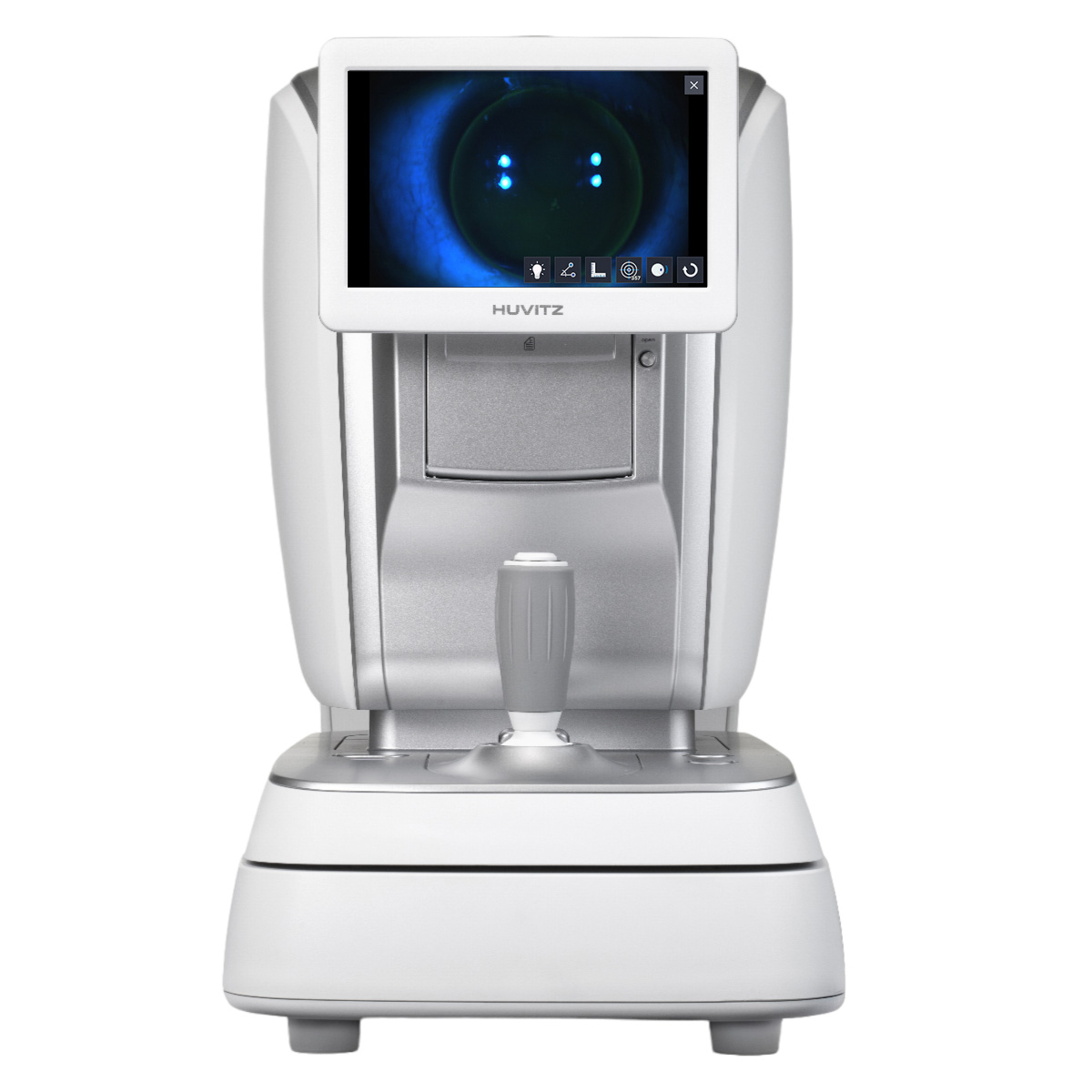
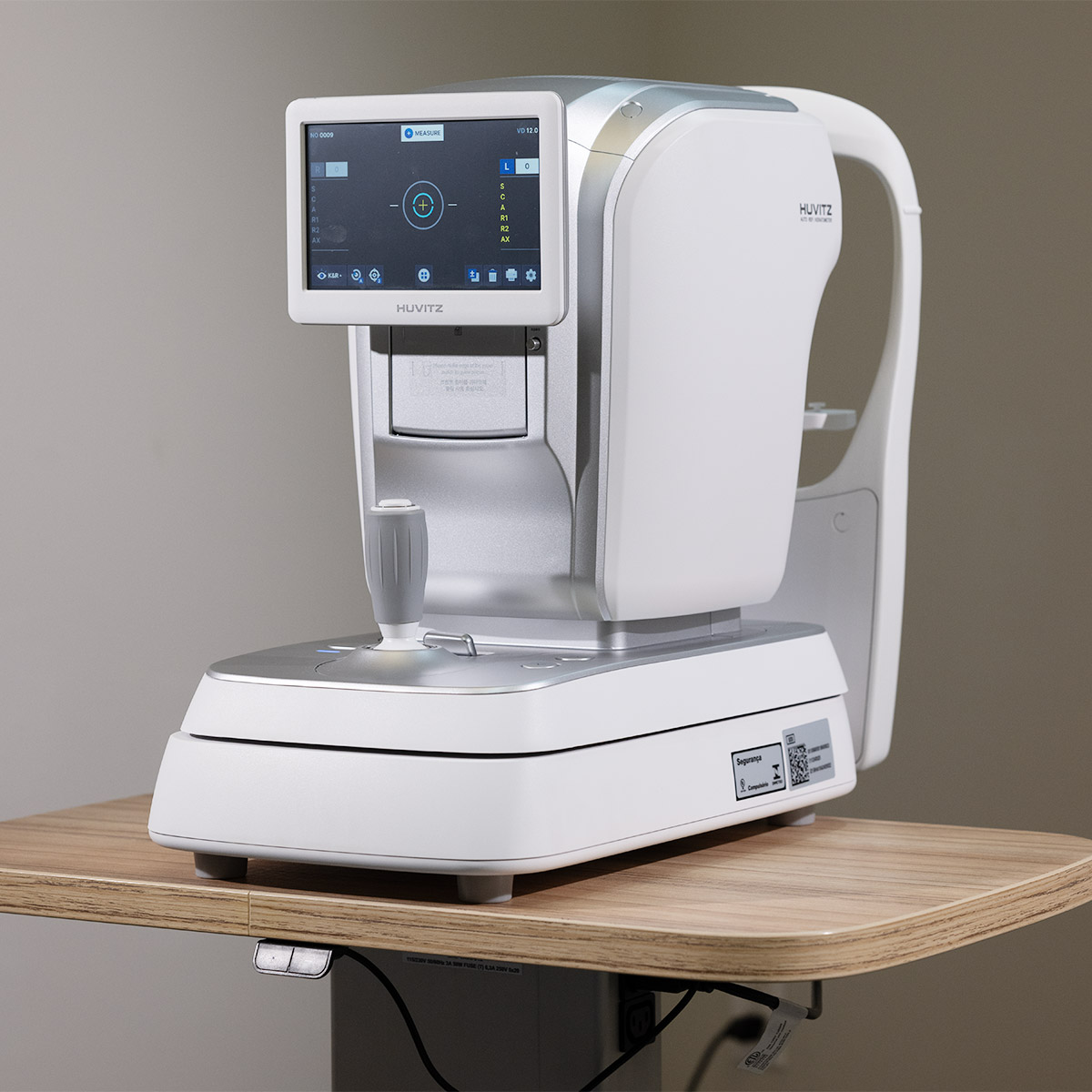
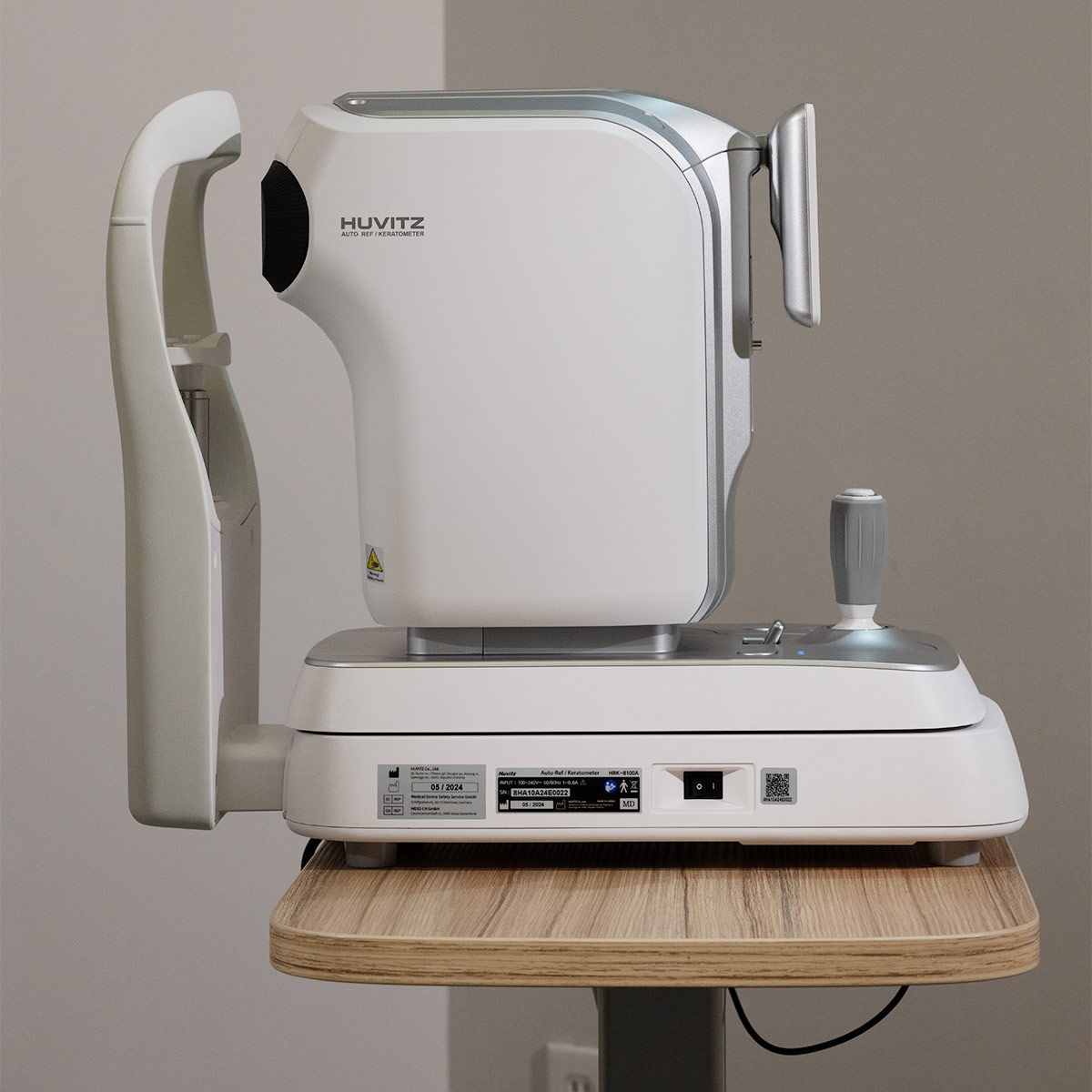
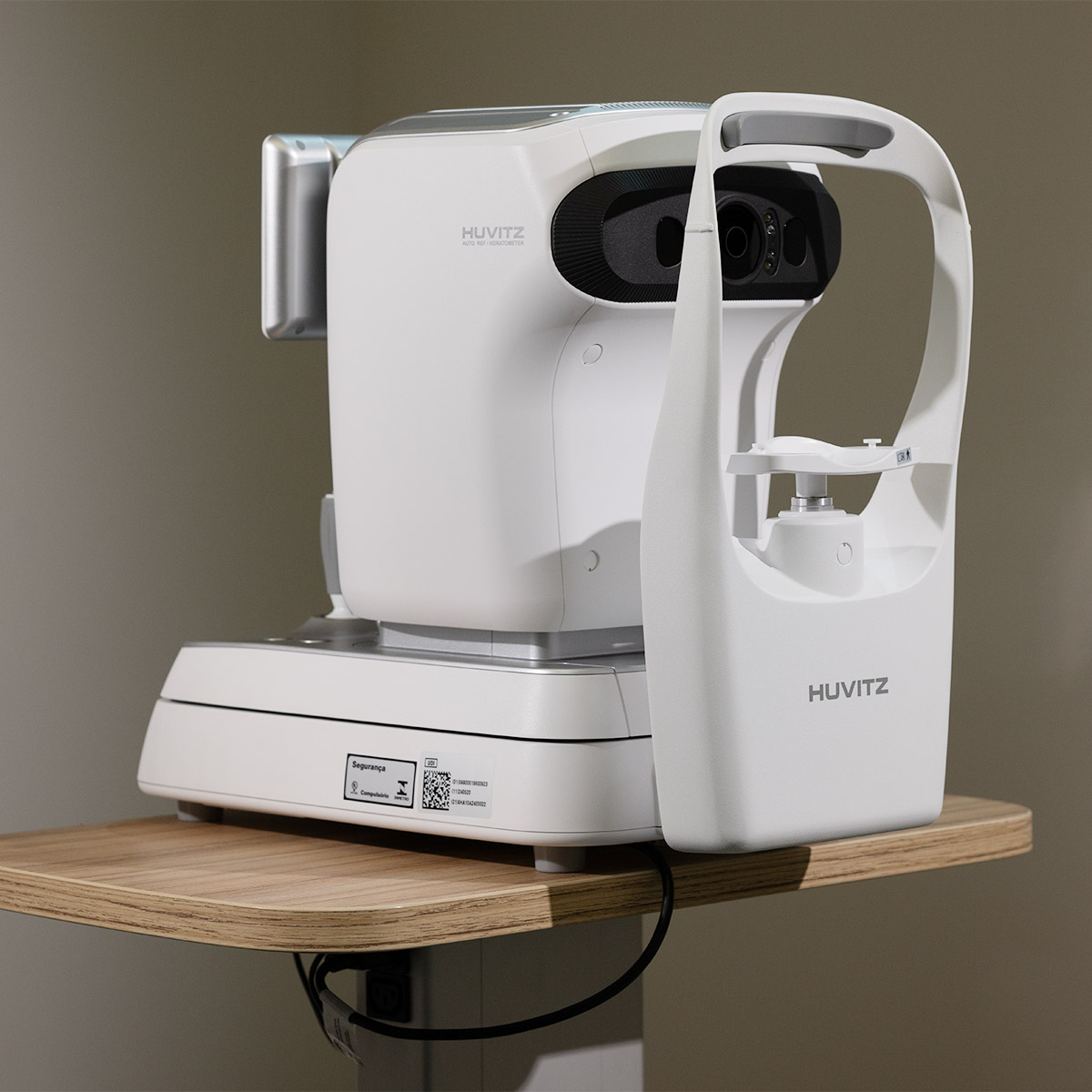
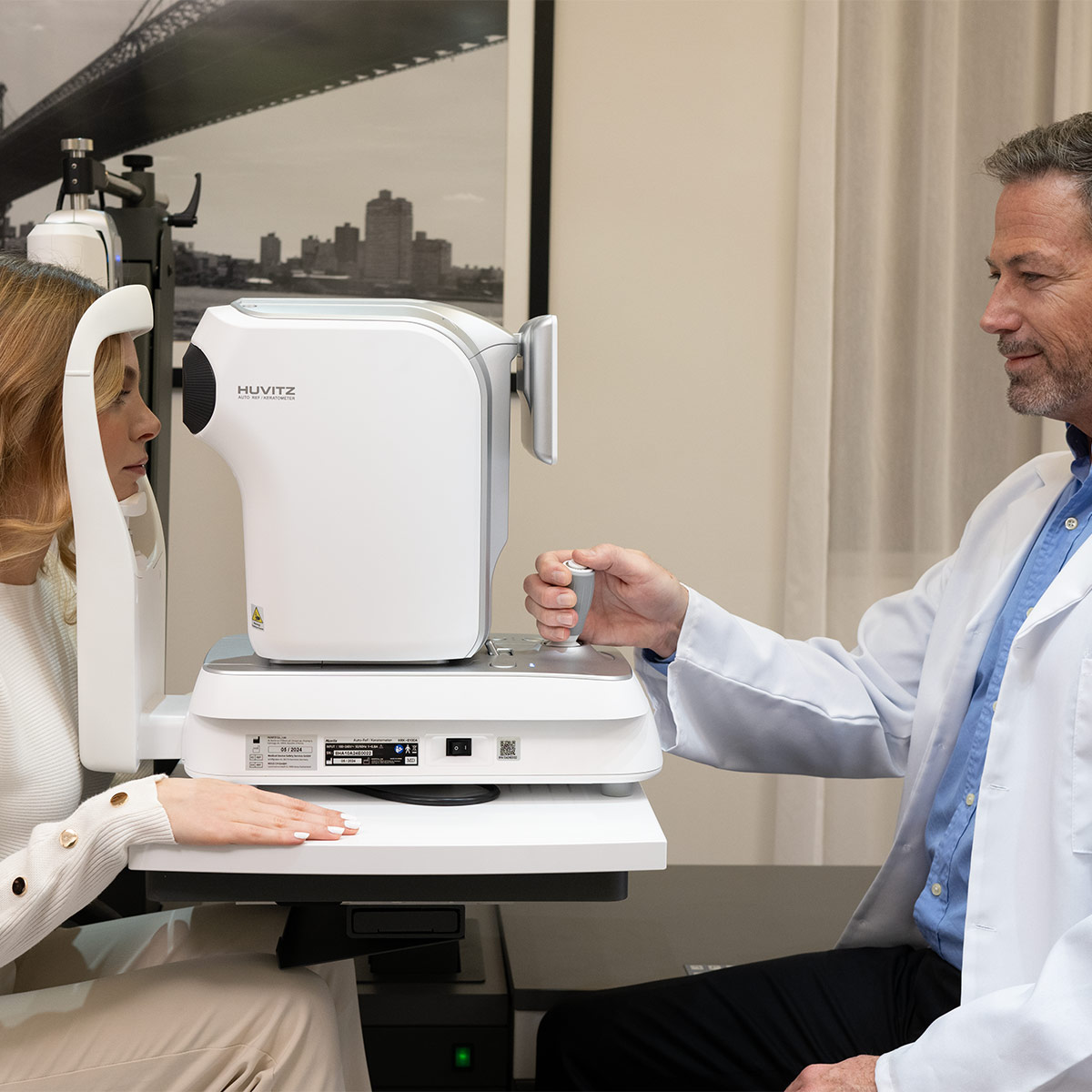
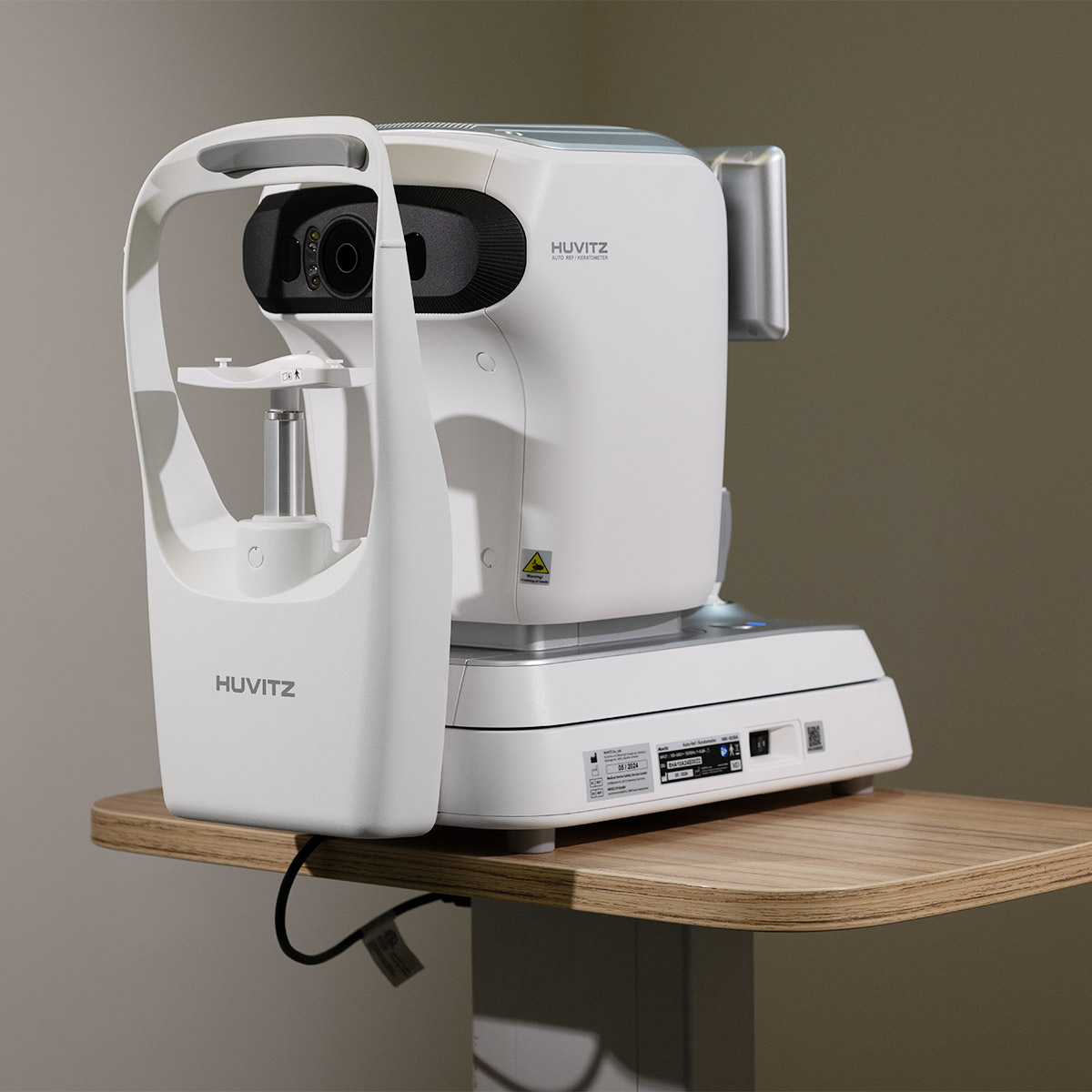
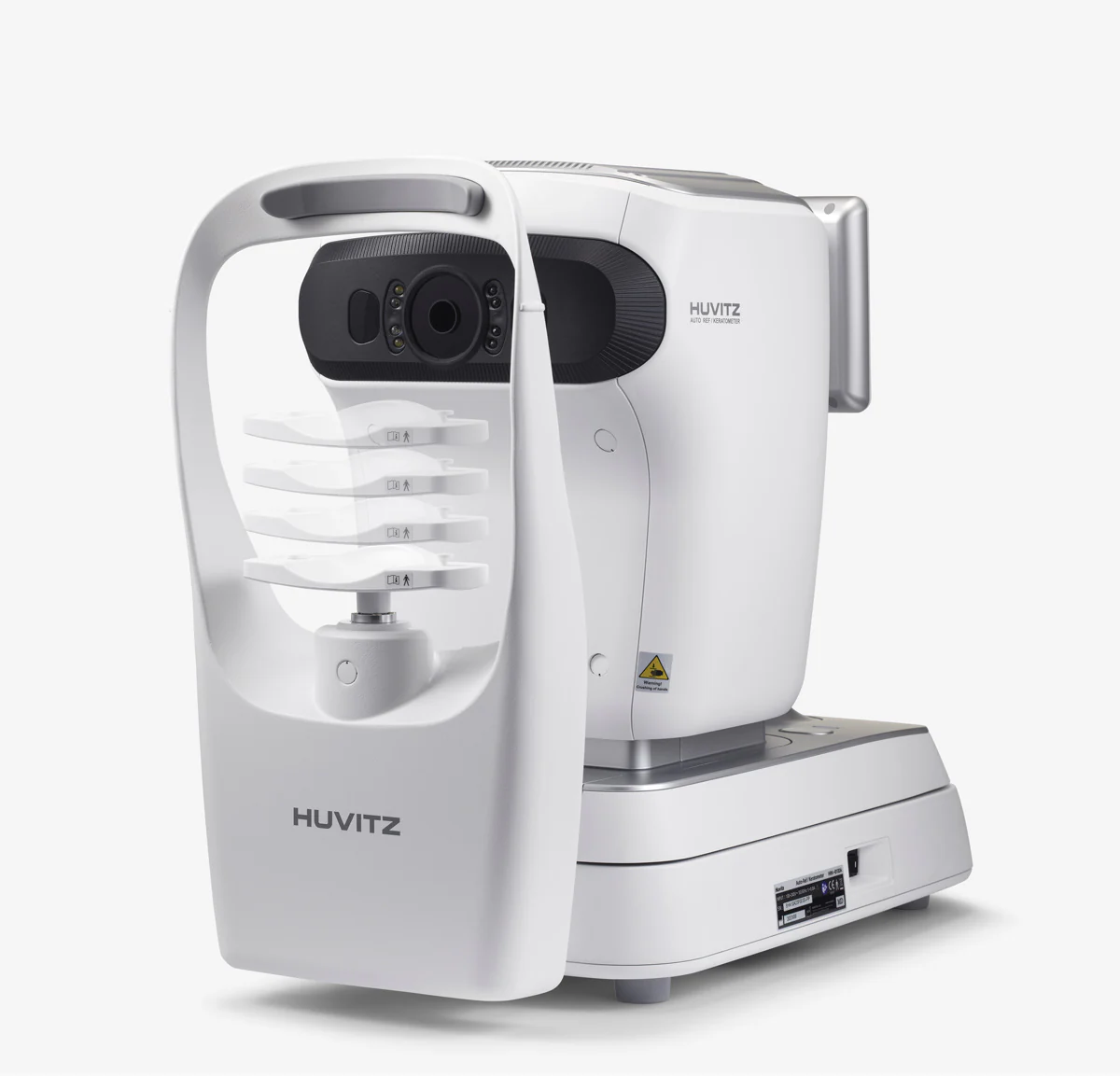
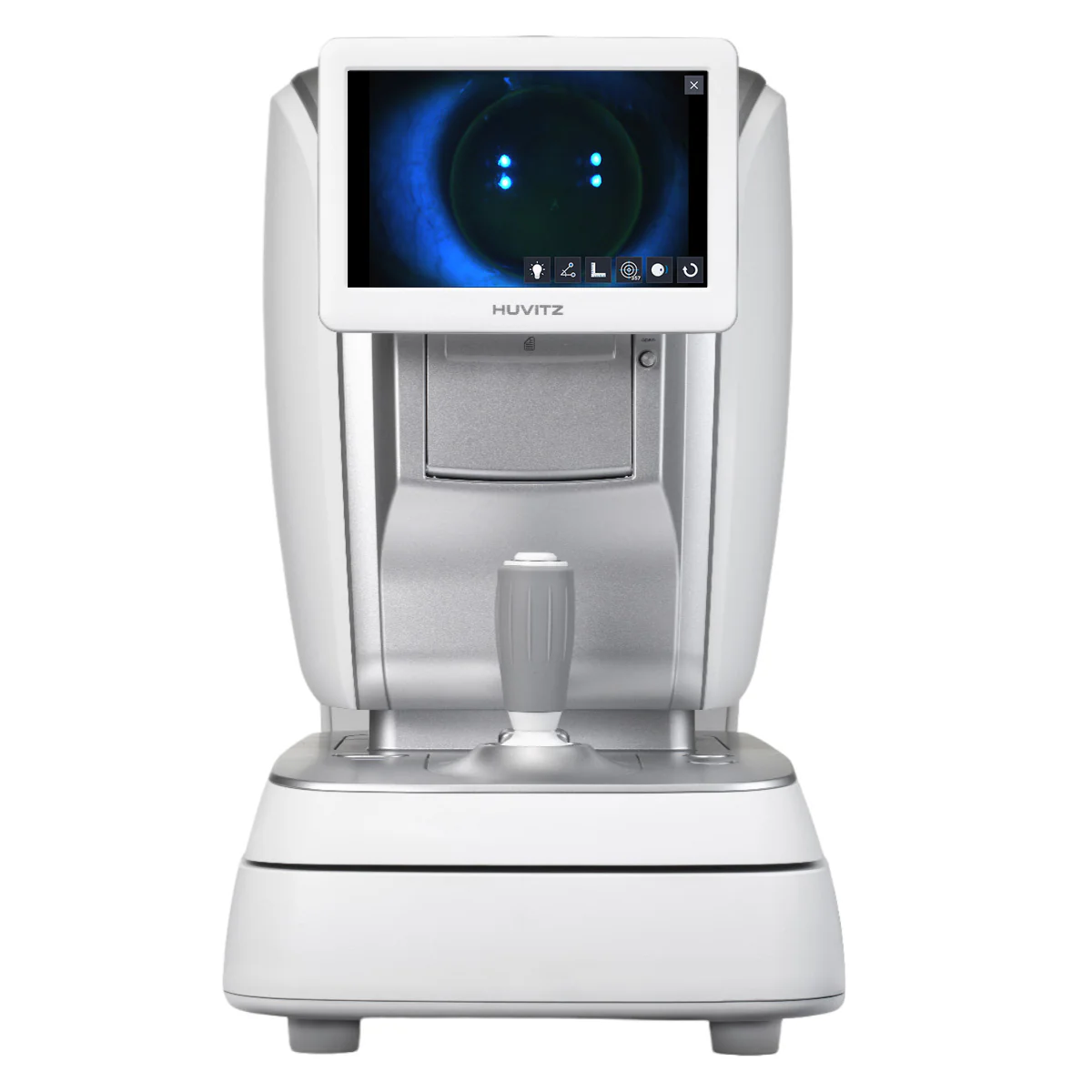
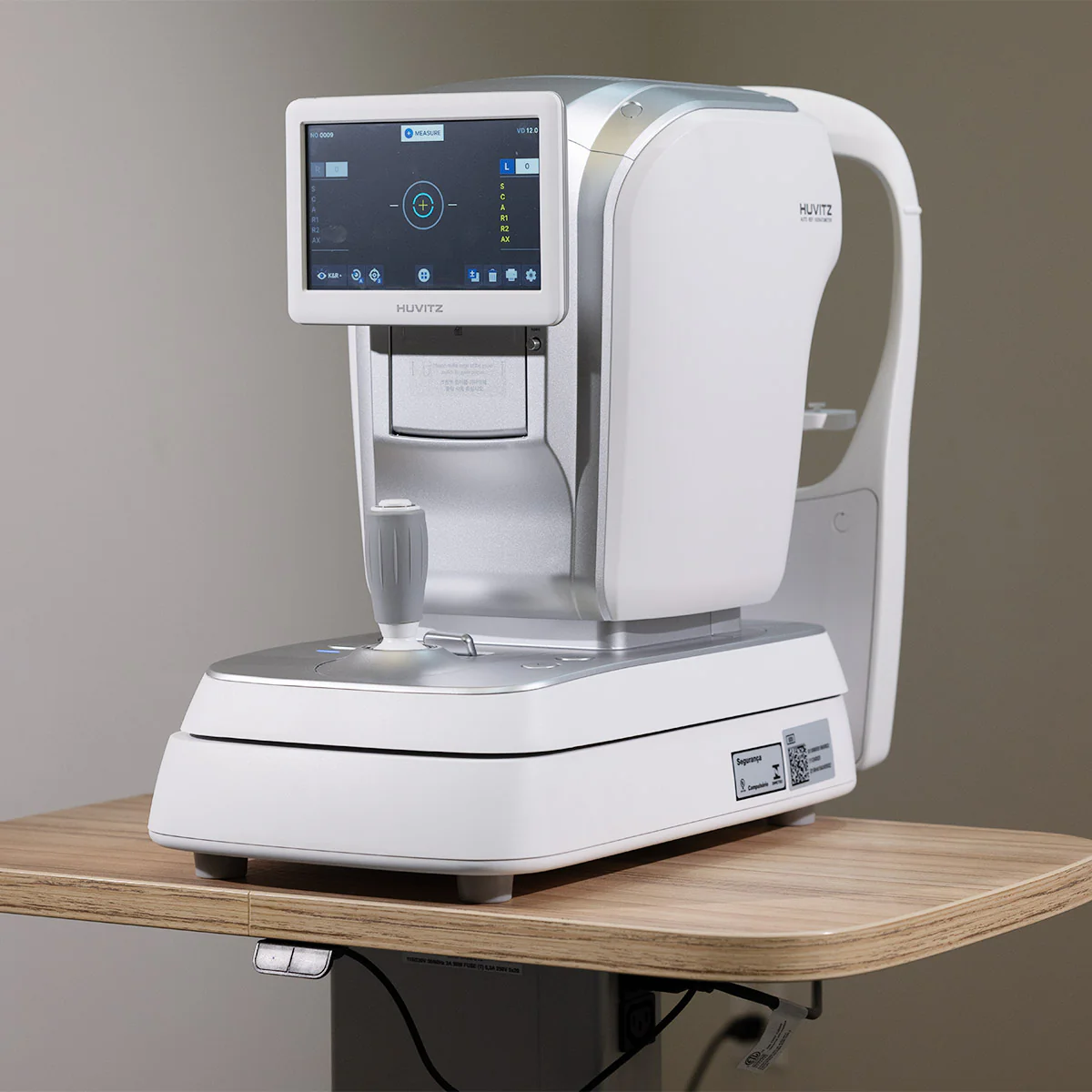
The Huvitz HRK-8100A Autorefractor/Keratometer delivers exceptional precision in diagnostic measurements. Combining the functionalities of an autorefractor, autokeratometer, and wavefront aberrometer in a single high-technology instrument, the HRK-8100A stands out. Using a Hartmann-Shack wavefront sensor, it analyzes multiple focal points of a light wavefront, not only measuring basic refractive errors but also generating a spatially resolved wavefront map. The HRK-8100A features a proprietary wavefront analysis algorithm that provides higher-order aberration data for customized lenses and facilitates patient evaluation before and after refractive surgery. Discover the advanced capabilities of the HRK-8100A Autorefractor/Keratometer.

Talk to a specialist

Fast and High-Precision Measurements

Advanced technology ensures reliable results in just a few seconds, providing greater efficiency in patient care and clinical safety in every examination.

Automatic Alignment and Focus

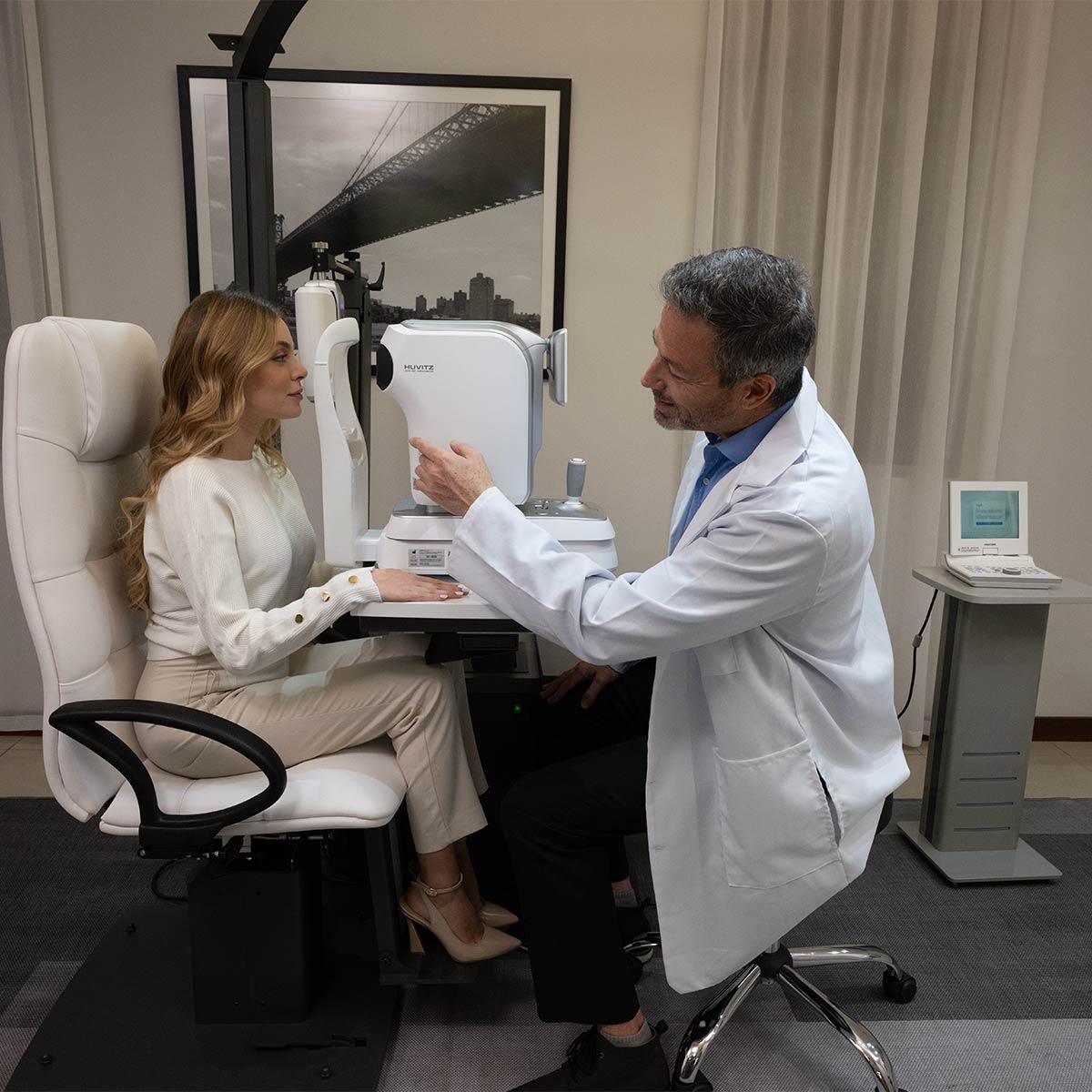
The intelligent eye-tracking system performs automatic alignment, reducing operator errors and ensuring consistent measurements.

Simple and Intuitive Operation

The user-friendly interface with an easy-to-navigate screen enables fast and practical operation, ideal for users of all experience levels.

Compact Design and High Productivity

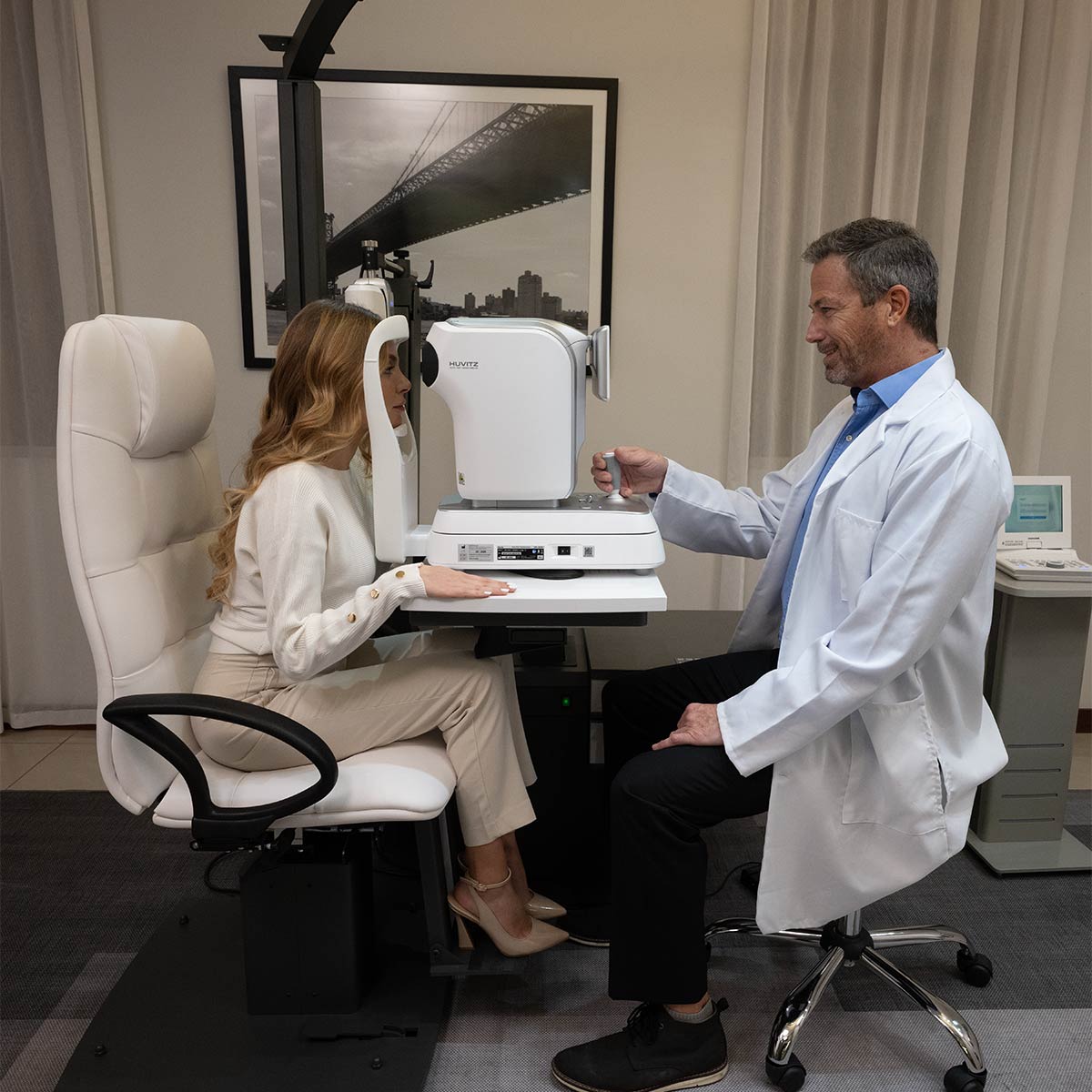
Modern and compact design that easily adapts to different clinical settings, optimizing space without compromising performance.

Precision in Visual Correction with the HRK-8100A

Applied to Wavefront Technology
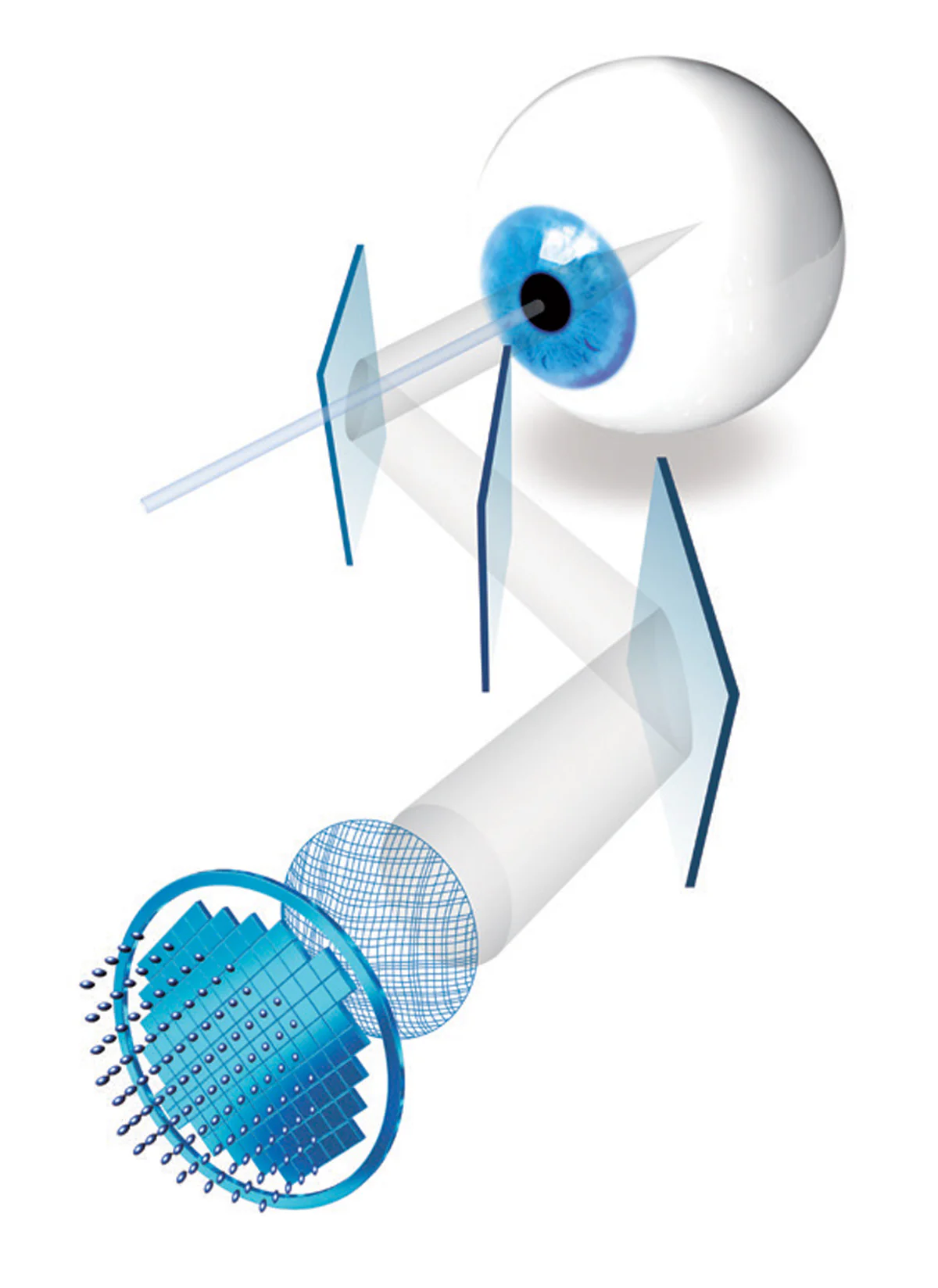
The micro lens array independently developed by Huvitz comprises hundreds of small lenses that provide numerous data points, enabling precise diagnosis of refractive errors.

MICRO LENS ARRAY
The Micro Lens Array developed by Huvitz creates multiple distinct focal points, whose pattern provides valuable information about the patient’s ocular system. This data measurement and analysis technology focuses on ocular characteristics.

Variety of Aberration Measurements

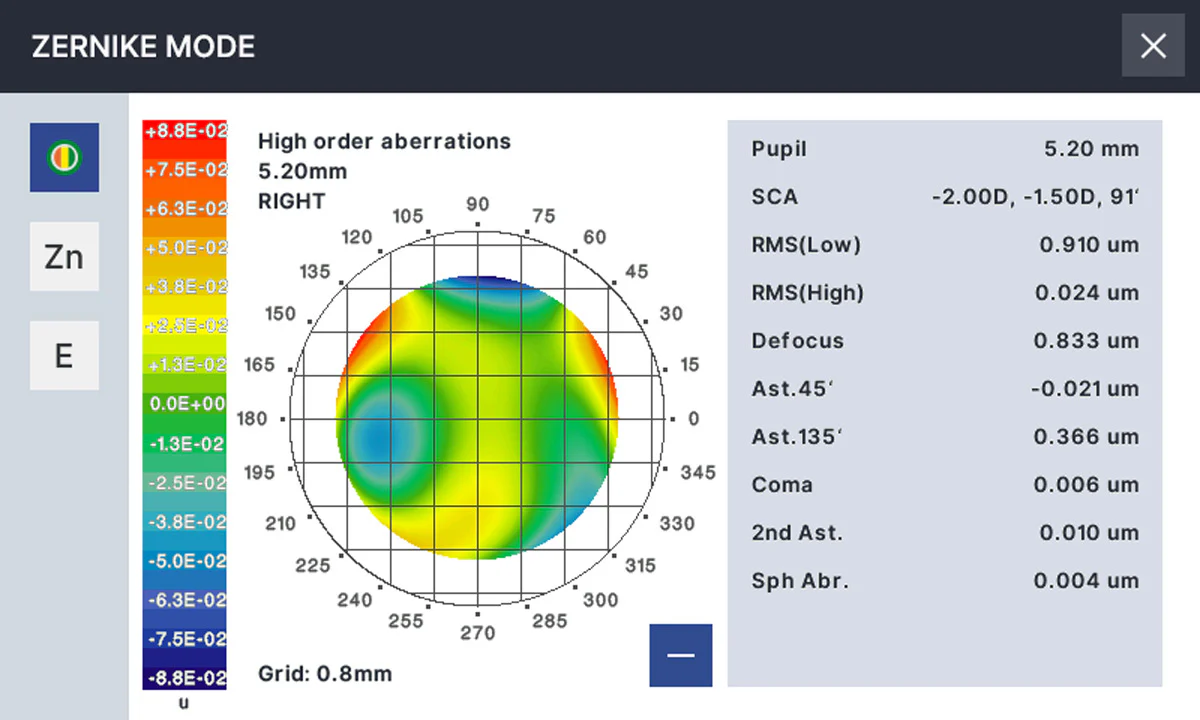
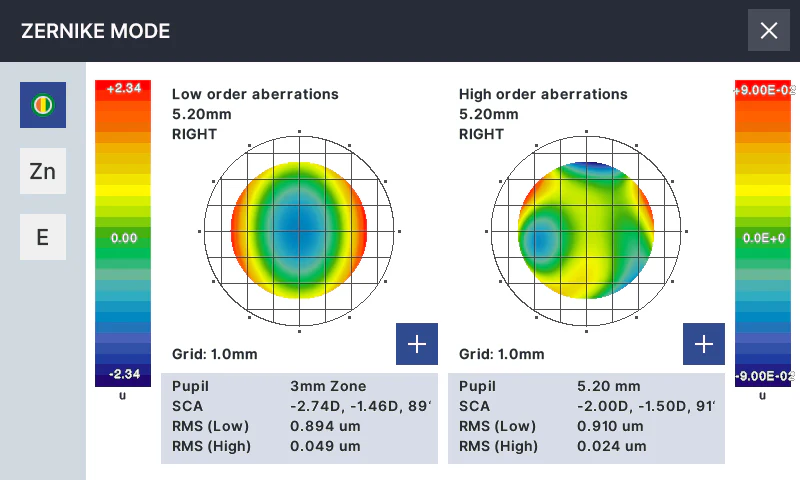
In addition to conventional data such as Sphere, Cylinder, and Axis, higher-order aberration data is displayed in a Zernike graphical map, providing a deeper understanding of the patient’s eyes and enabling superior clinical decision-making.

Updated Higher-Order Aberration Mapping

Higher-order aberration data such as Coma, Trefoil, Spherical Aberration, Secondary Astigmatism, and Tetrafoil, previously available only in wavefront aberrometers, are now accessible with the Huvitz HRK-8100A. This clinical data is now at your disposal.

Pre- and Post-Cataract Surgery Observation

High-order aberration data that cannot be measured through subjective refraction can be obtained. The new autorefractor-keratometer can measure high-order spherical aberrations that frequently occur after surgery.

Custom Lens Manufacturing

The high-order aberration data output and Zernike map function allow manufacturers of premium custom eyeglass or contact lenses to enhance visual precision and power.

PSF and Image Simulation

The Point Spread Function (PSF) and retinal chart simulation significantly increase patients’ understanding of the clinical condition of their eyes and the benefits of custom lenses.

Exploring Measurement Modes: Greater Precision in Vision Care
Refractometry (REF Mode)

Mode developed exclusively to measure the refractive power of the eye.

Keratometry (KER Mode)

Mode developed exclusively to measure corneal curvature.

K&R Mode

This mode performs continuous measurements of both corneal curvature and refractive power.

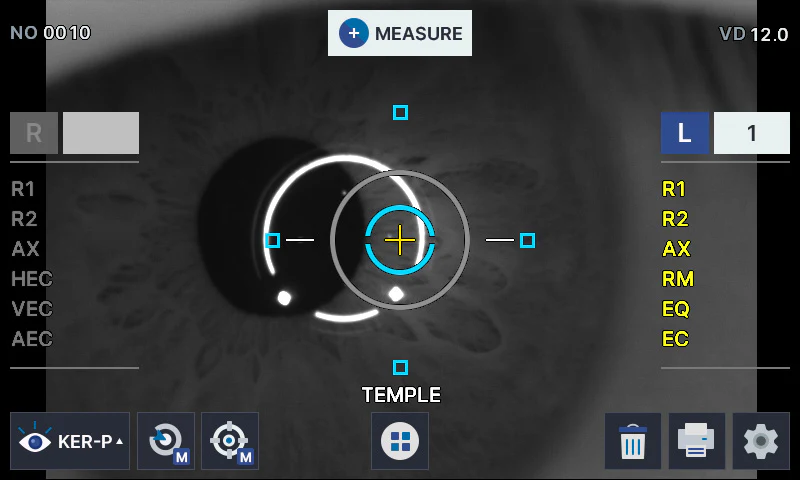
Peripheral Keratometry Measurement

This mode is used to measure the curvature of the region surrounding the cornea. Based on the corneal center, the system measures the curvature of the peripheral areas in the superior/inferior and left/right directions. This measurement allows eccentricity to be indicated by comparing the peripheral curvature with the central curvature of the cornea.

Eccentricity represents how uniform the peripheral region of the cornea is in comparison to the corneal center. Generally, the human cornea presents greater curvature at the center, and as the distance from the center increases, the surface becomes flatter. As a result, when prescribing lenses such as RGP lenses using only the central corneal curvature, the patient may experience discomfort when wearing the lenses.

With KER-P mode, it is possible to select the most suitable lens by taking into account the individual characteristics of each patient through the calculation of the eccentricity of the peripheral corneal region.

Optimized IOL Optical System

El HRK-8100A uses an independent measurement method for intraocular lens (IOL) and cataract evaluations. The equipment was developed to observe ocular health conditions, even in patients with lens opacity caused by cataracts or corneal lesions resulting from contact lens use.

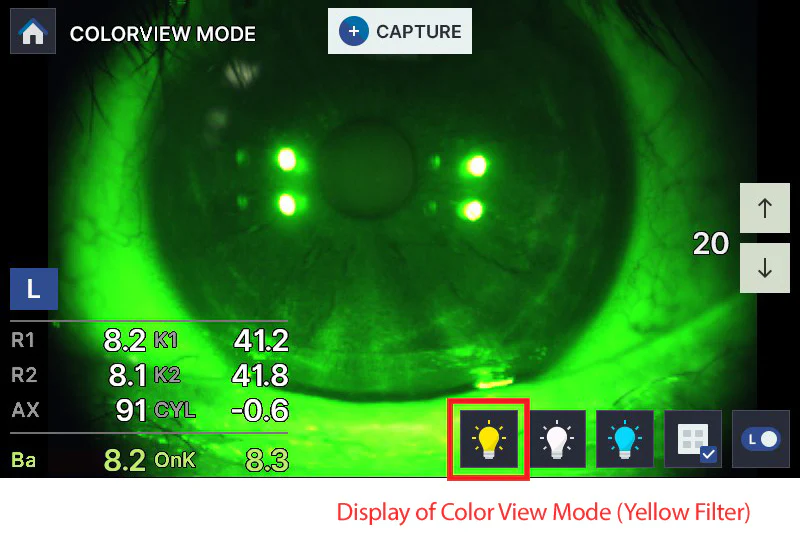
Color Display Mode

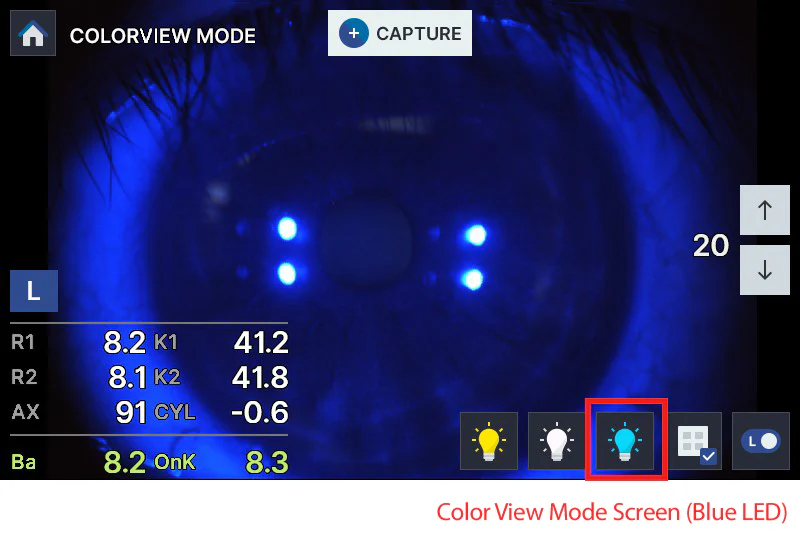
The auto refractometer-keratometer features a Full Color CCD camera and a white LED illumination source, enabling the evaluation of contact lens fitting, a functionality previously available only in slit lamps.

White LED

Used to observe the patient’s eye using white LED illumination in color imaging.

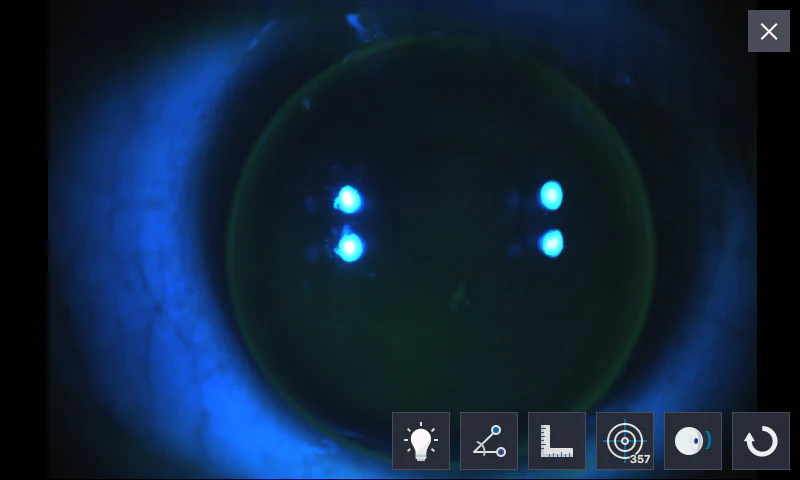
Blue LED

Used to observe the contact lens fitting on the patient’s eye using blue LED and fluorescent solution.

Yellow Filter

This function allows the operator to visualize contact lens fitting in a clearer and more precise manner.

Contact Lens Fitting with ASSISTANCE GUIDE

The world’s first contact lens fitting function integrated into an Auto Ref-Keratometer, allowing visualization of fluorescein fluid with blue illumination. The HRK-8100A also automatically analyzes and simulates the lens fitting status, performing automatic calculations and providing precise recommendations.

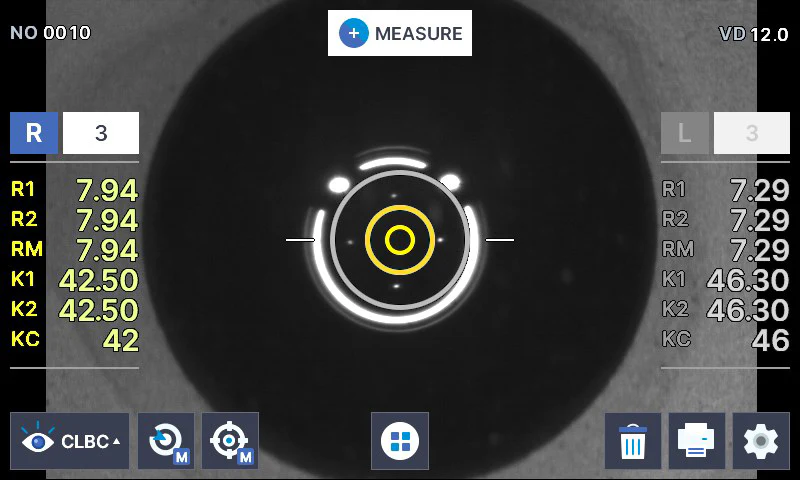
CLBC Mode

This mode measures the base curve of the contact lens (concave surface).

ILLUM Mode

Mode that allows observation of the ocular lens using the retroillumination method.

Zernike Mode

This mode displays the refractive power distribution across the entire pupillary area.

Size Mode

Mode developed specifically to measure pupil diameter.
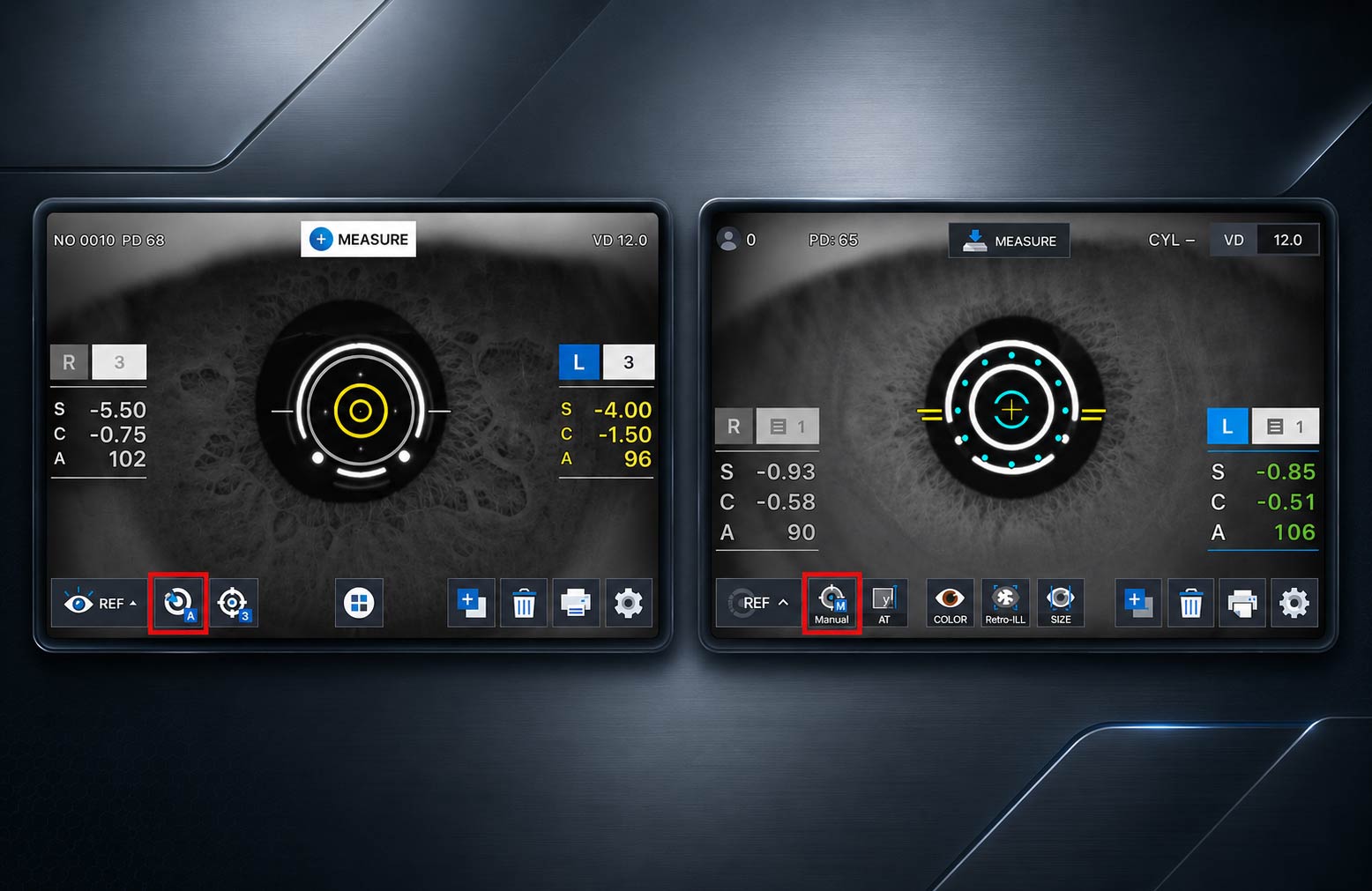
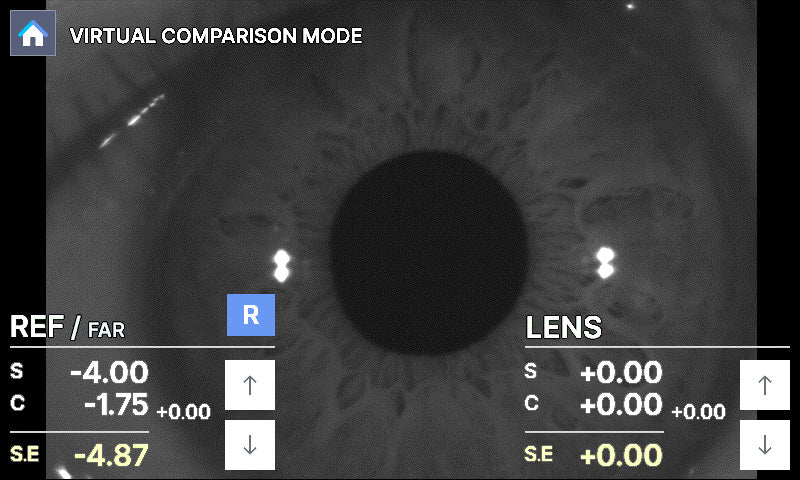
Virtual Comparison Mode

This feature allows patients to compare their current uncorrected vision with their corrected vision.

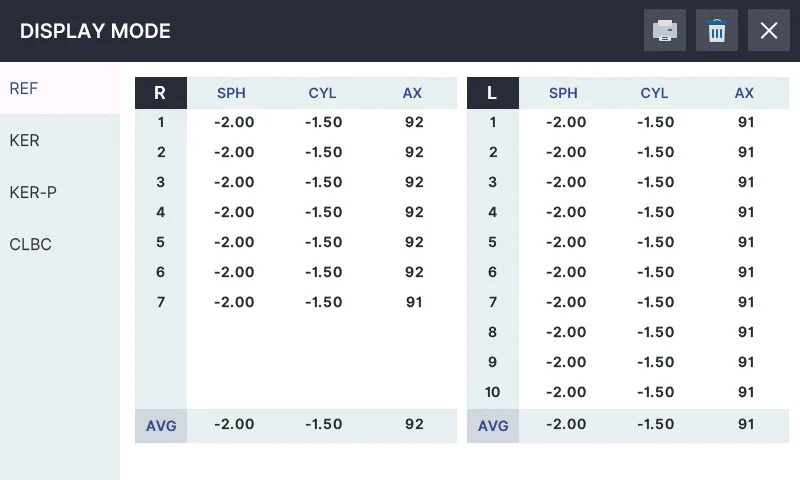
Display Mode

This mode shows the measurement results stored in memory (up to 10 records for the right and left eyes).

A convenient optometry environment with excellent performance and a user-centered design

AUTOMATIC TRACKING

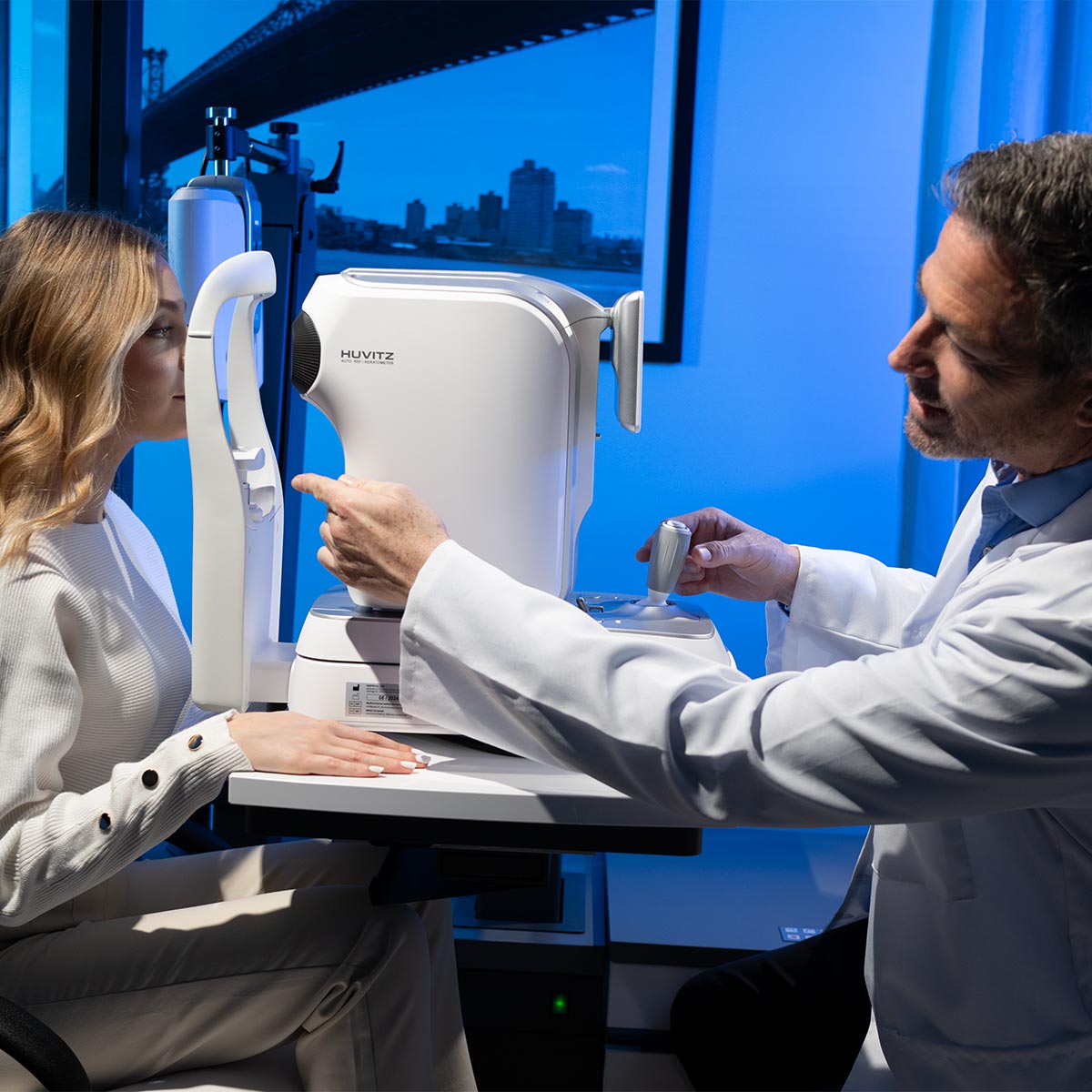
The advanced automatic sensor and three-dimensional movement mechanism allow the measurement focus of the eye to be automatically tracked, performing precise and complete measurements, even for inexperienced users.

AUTOMATIC CHIN REST

With the press of the Up and Down buttons, users can quickly and comfortably adjust the height of the measurement point.

Automatic Silent and Fast Printer

The HRK-8100A features automatic paper cutting and a one-touch roll change function, providing greater practicality and convenience.

Colorful Touch & Tilting Display

The 7″ widescreen VGA TFT LCD color display with high brightness and contrast delivers high-resolution images. The smooth and free tilt function provides comfortable and sharp viewing from any angle.

Intuitive Interface for Easy Use

The consistent icon design, combined with soft colors, reduces eye strain. Users can intuitively navigate through the main menu located at the bottom of the screen.

External Monitor Output and Network Connectivity

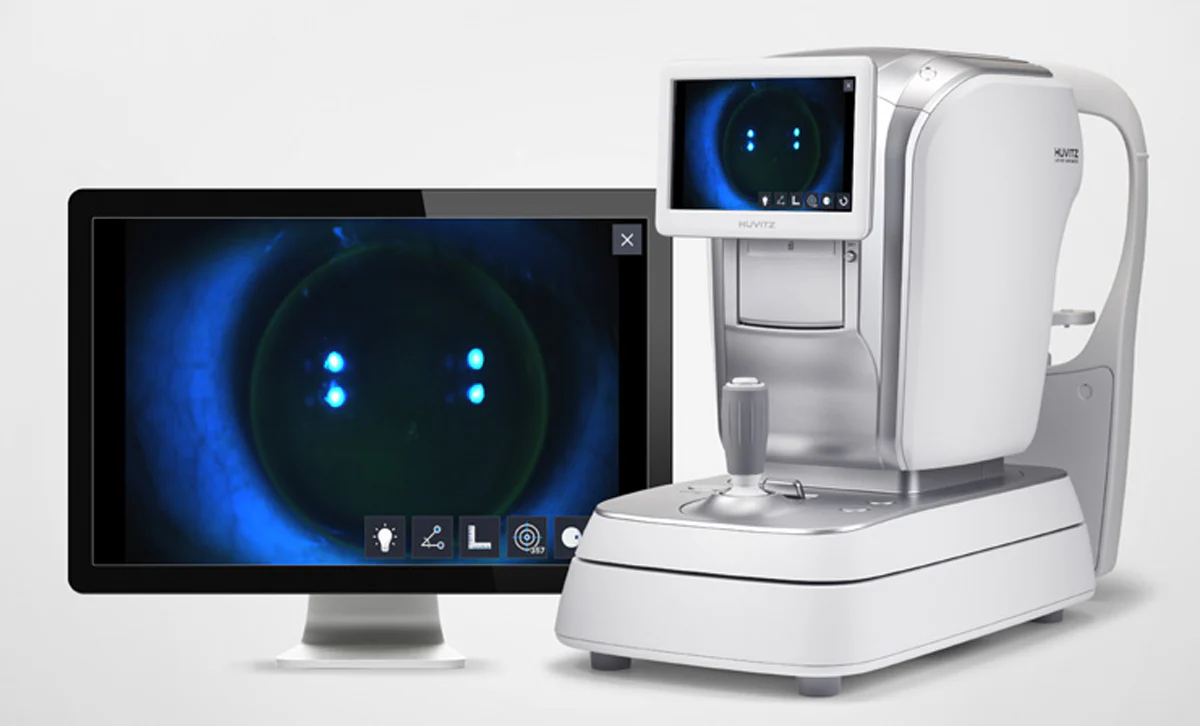
The HRK-8100A offers Full HD video output via the HDMI port, providing a differentiated platform for clinical consultations with patients. In addition, it supports network connectivity with the Huvitz Digital Refraction System, enabling fast and efficient refraction in networked integrated environments.


Specifications

Manuals & Catalogs

Catalogs

Huvitz Autorefractor Keratometer HRK-8100A

Manuals

Huvitz Autorefractor Keratometer HRK-8100A