Clinical Areas:

Retina and Fundus

Glaucoma and Intraocular Pressure

Myopia Control

Cataract

  • Home
  • Huvitz Corneal Topographer HTG-1 D

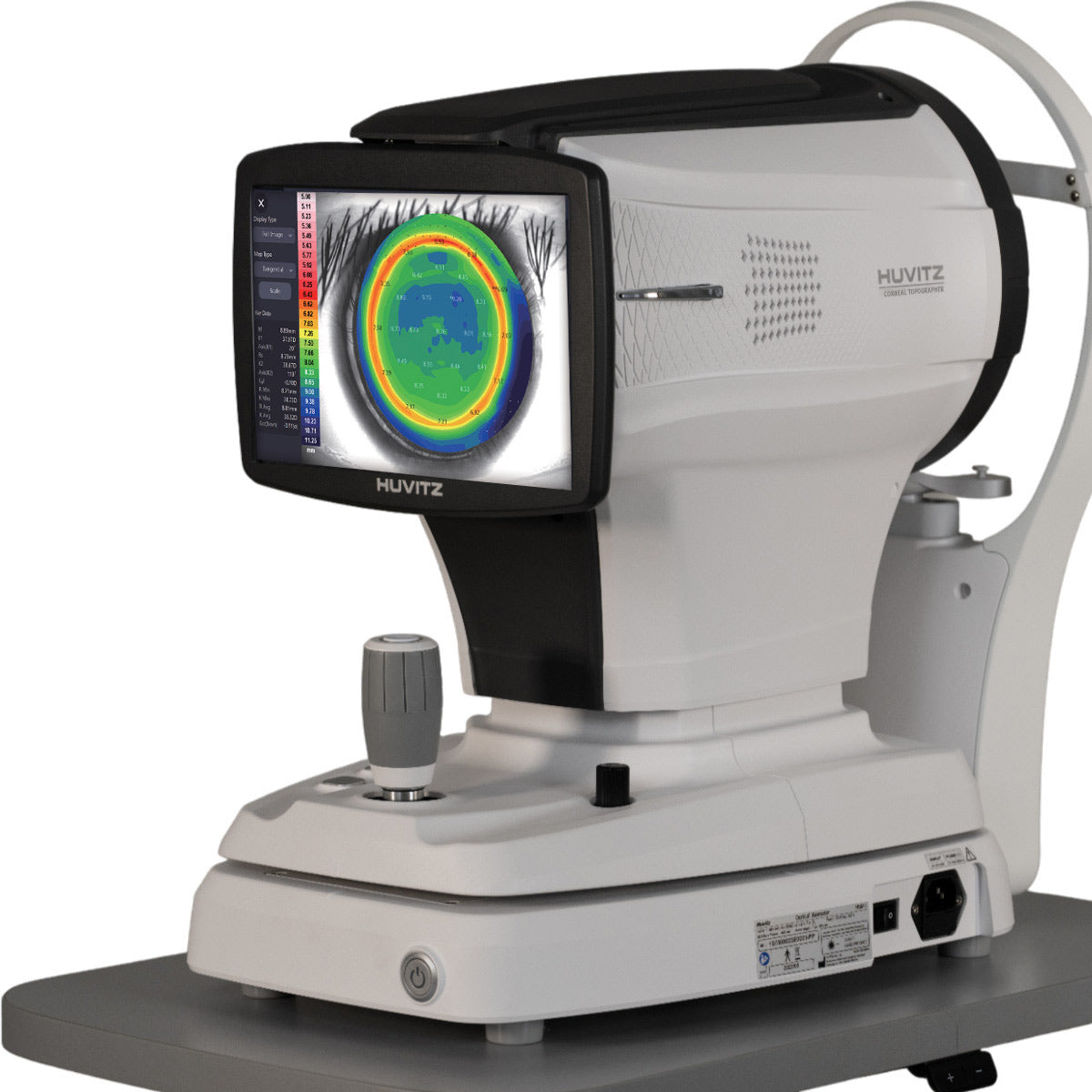
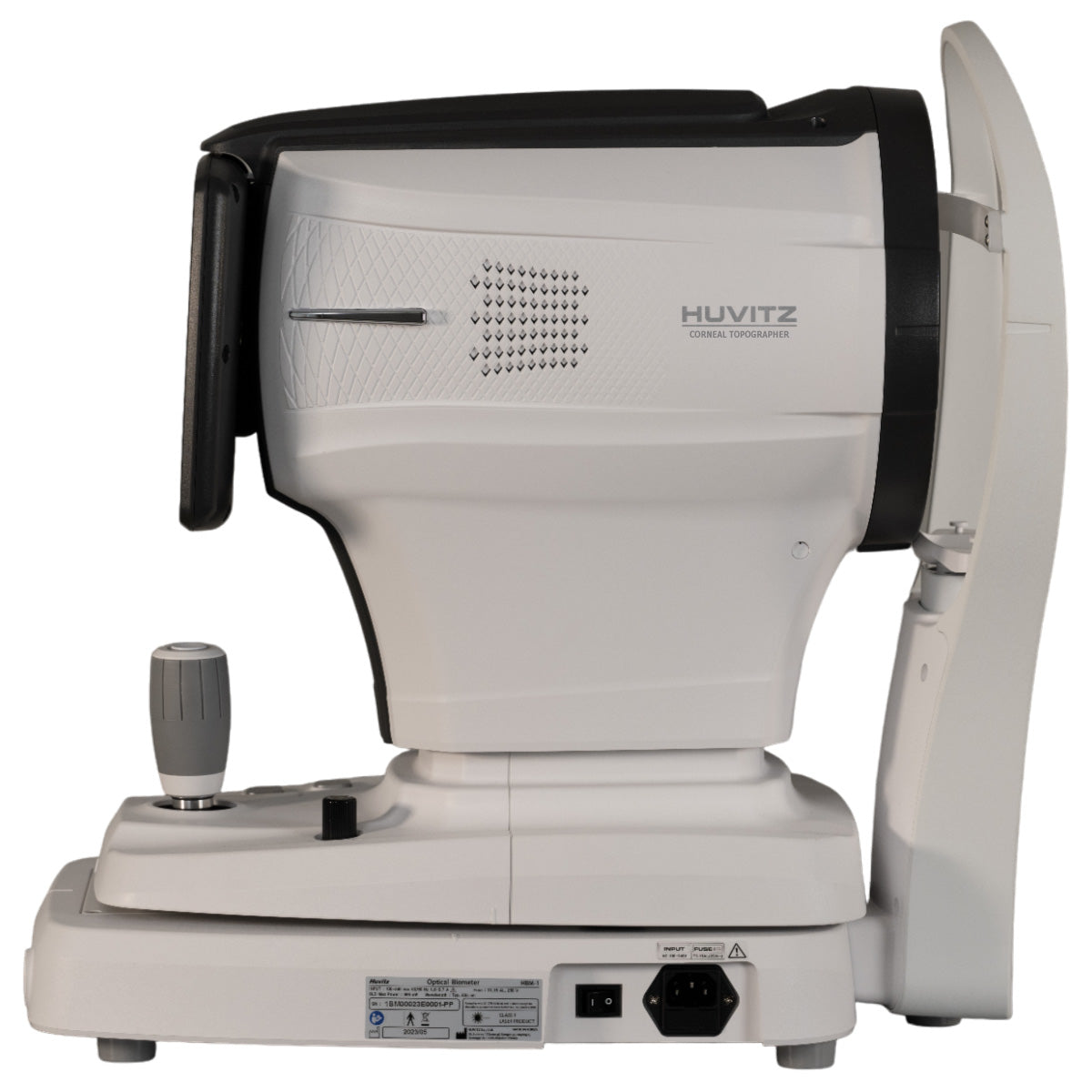
Huvitz Corneal Topographer HTG-1 D

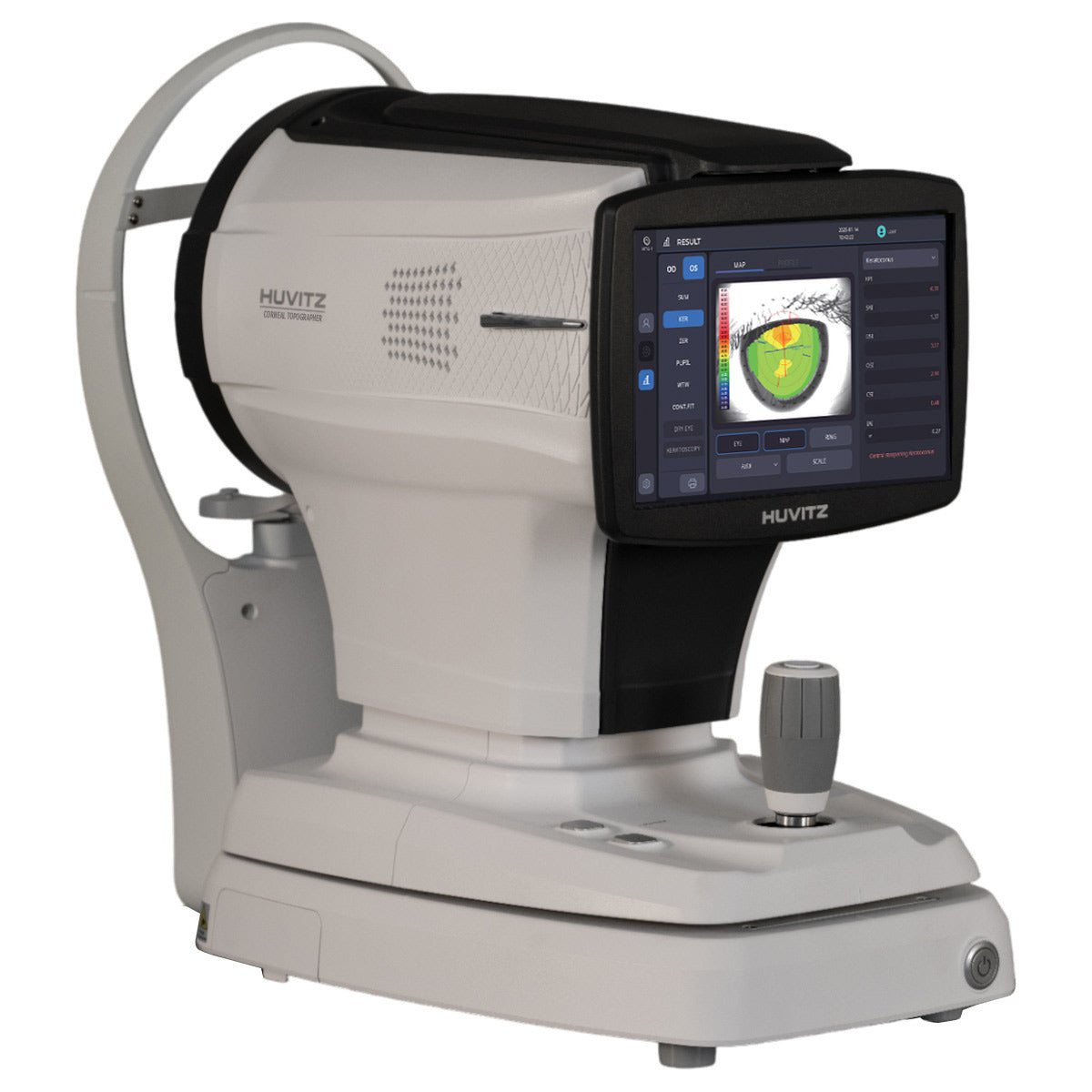
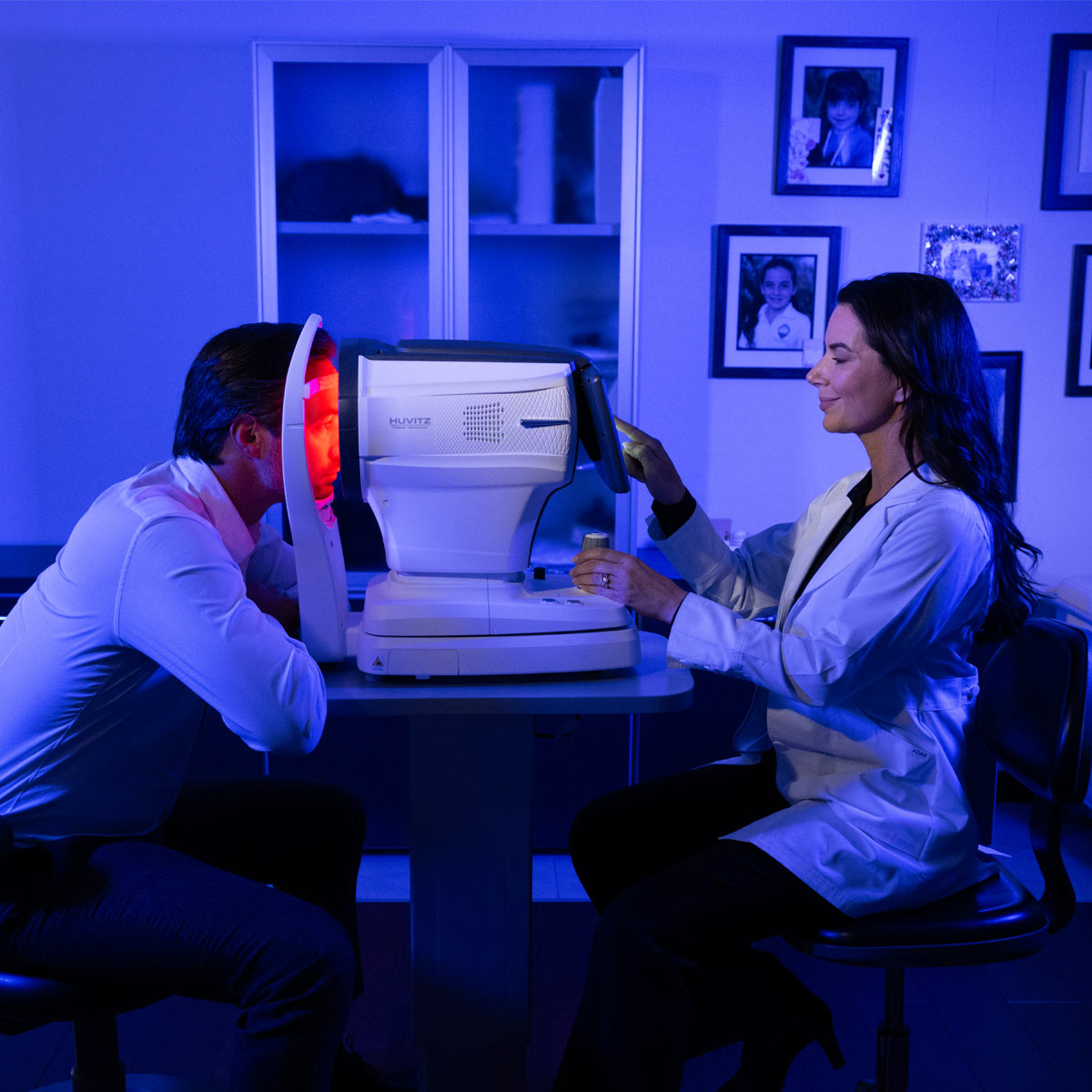
The Huvitz HTG-1 D Corneal Topographer is an advanced all-in-one diagnostic solution designed to deliver precise and comprehensive corneal analysis. It accurately measures key parameters such as corneal curvature, cylinder axis, white-to-white distance, and pupil diameter, providing detailed information on corneal structure and function.

By combining advanced topography with dry eye evaluation from multiple angles, the HTG-1 D enables a complete assessment of corneal health through high-precision data, offering clinicians an integrated and intelligent platform for accurate diagnosis and an optimized examination environment.

Talk to a specialist

High-Precision Corneal Topography

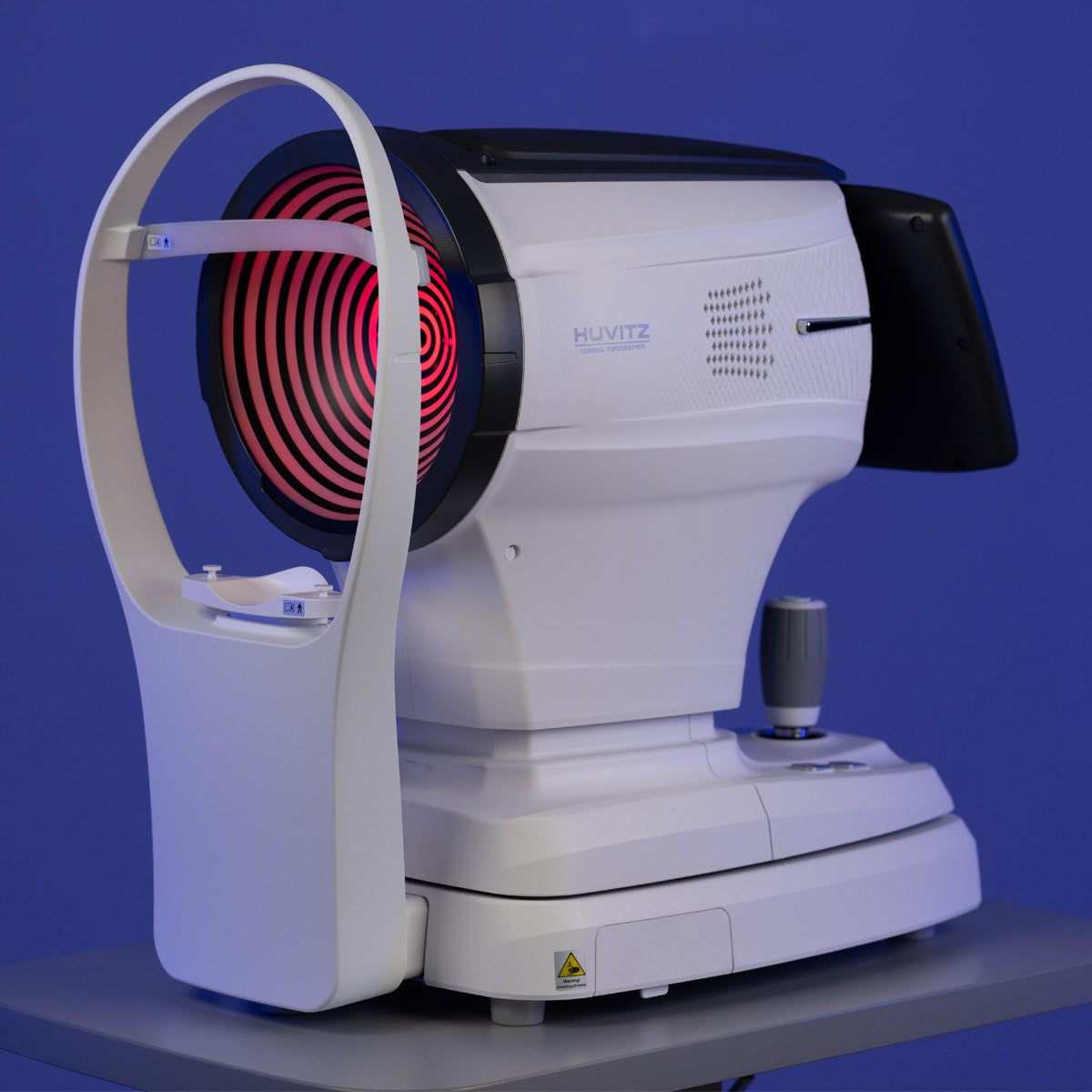
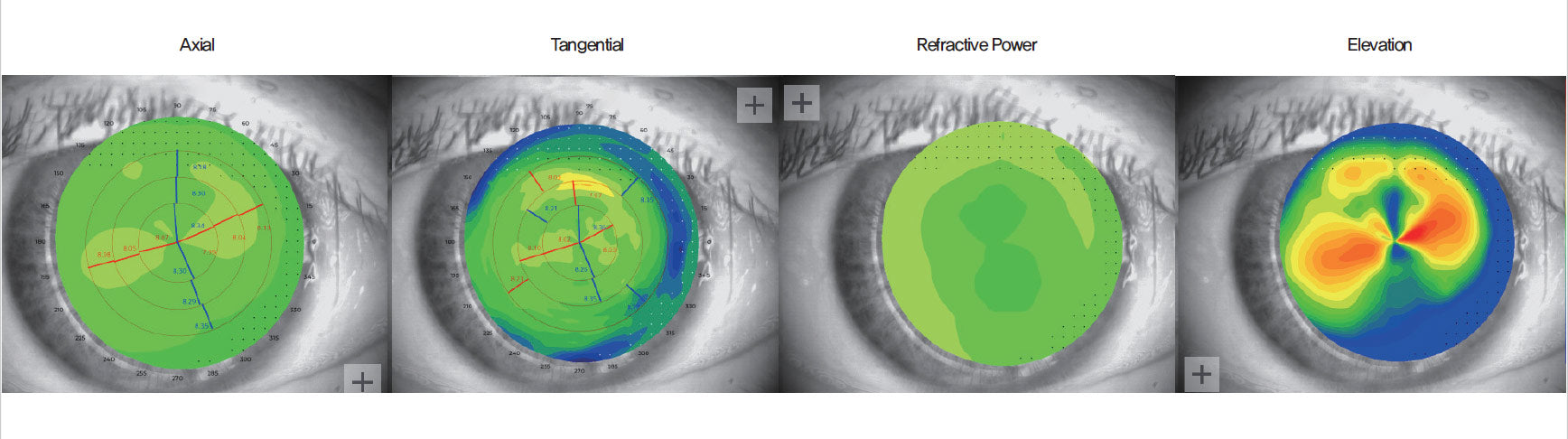
The HTG-1 uses Placido disc analysis technology to obtain detailed and precise corneal measurements, including keratometry, topography, keratoconus screening, pupillometry, and elevation maps.

Dry Eye Diagnosis

Comprehensive evaluation with NIKBUT, meibography, lipid layer, tear meniscus, blink analysis, and OSDI questionnaire

Smart and Automated Operation

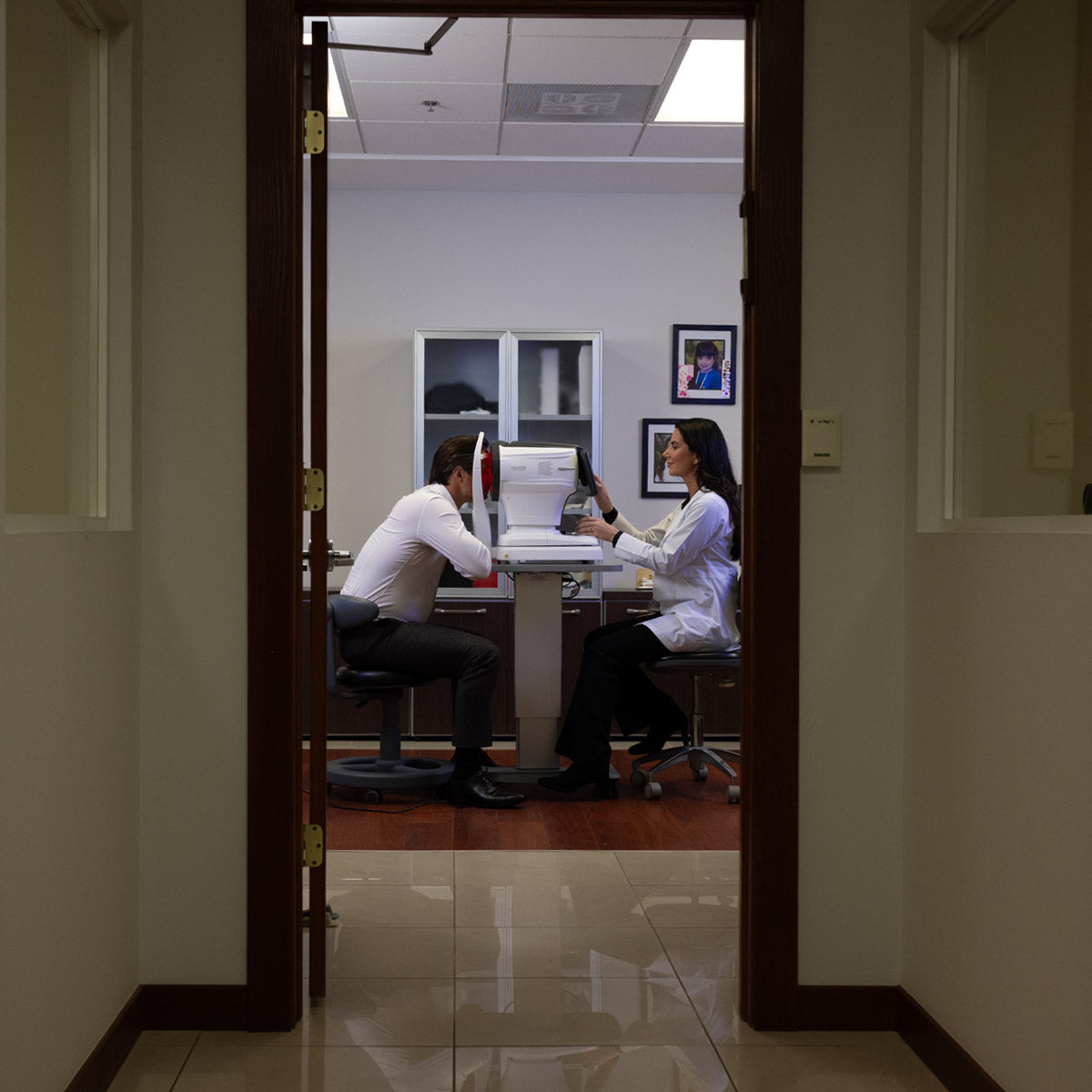
Features auto tracking, voice guidance, a 10.1" rotating touchscreen, control pedal, and integrated PC, optimizing workflow and facilitating fast, comfortable examinations.

Advanced Reports for Clinical Diagnosis

Generates axial, tangential, refractive, and elevation maps, as well as Zernike analysis and contact lens fitting simulations, supporting surgical planning and clinical follow-up.

Advanced dry eye diagnosis through comprehensive multiparametric analysis

The HTG-1 D represents a significant evolution over the HTG-1 by incorporating a comprehensive dry eye diagnostic suite, expanding its capabilities beyond corneal analysis to deliver an all-in-one ocular surface evaluation solution.

The device performs multifunctional diagnosis of dry eye syndrome using a wide range of indicators, including tear secretion assessment, tear film stability analysis, Meibomian gland evaluation, tear film distribution, observation of the lipid layer color and pattern, blink interval measurement, corneal and conjunctival redness grading, and the OSDI self-assessment questionnaire.

One of the system’s key differentiating features is its fully non-invasive NIKBUT (Non-Invasive Keratograph Break-Up Time) technology, which evaluates tear film stability by monitoring break-up areas in real time without any contact with the eye. The system provides quantitative and visual data on both the time and the extent of tear film break-up, enabling an extremely precise and objective assessment.

With accurate non-contact measurements and intuitive visual reports, the HTG-1 D enables clinicians to identify the underlying causes of dry eye with greater confidence and to develop personalized, targeted treatment strategies — making it a more complete and advanced solution compared to the HTG-1, which lacked dedicated dry eye diagnostic capabilities.

Precision Analysis for the Diagnosis of Meibomian Gland Dysfunction

The HTG-1 D visually evaluates and classifies the condition of the meibomian glands, providing valuable information on the causes of dry eye syndrome and supporting effective treatment planning. The system displays the analyzed loss area to facilitate diagnosis and follow-up.

Image: Analyzed loss area

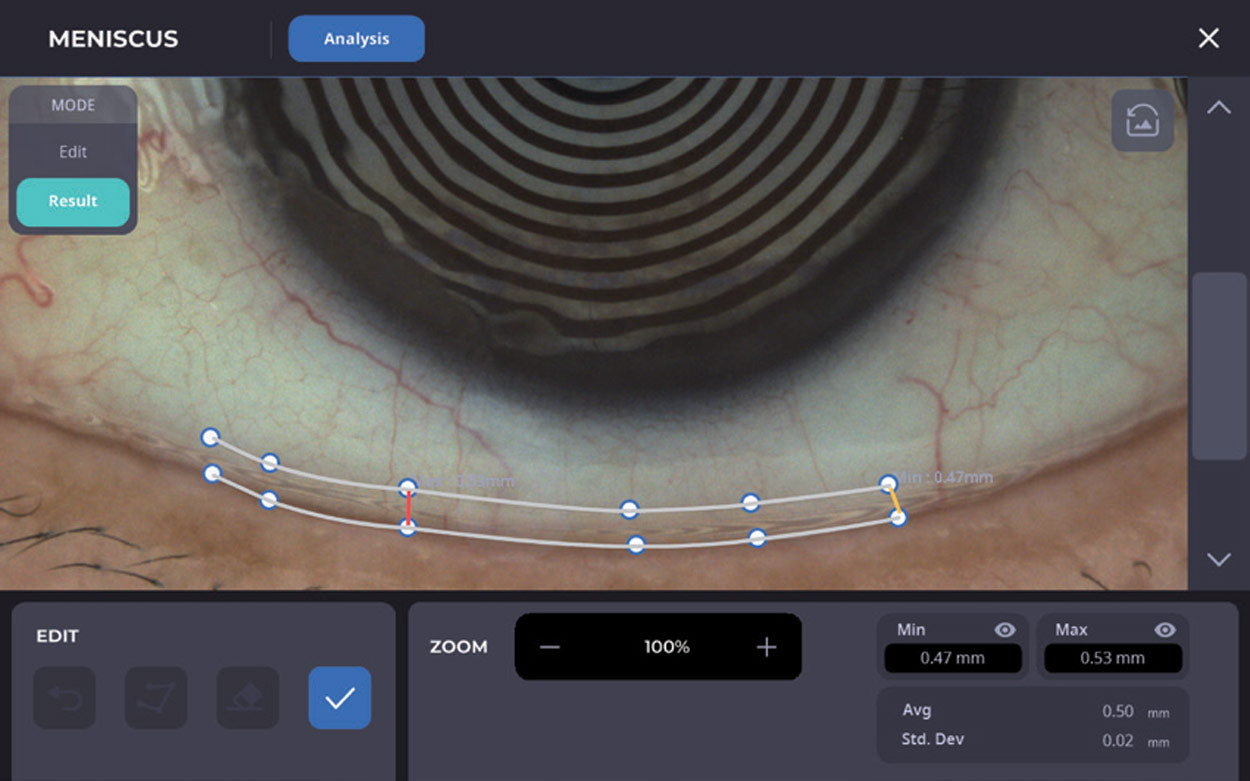
Tear Meniscus Height Analysis for Lacrimal Secretion Evaluation

The HTG-1 D quantitatively measures tear meniscus height to objectively assess tear production. It visualizes the tear strip along the eyelid and allows precise measurement using a built-in scale. Selected points are automatically calculated to obtain accurate results.

Image: Tear meniscus height

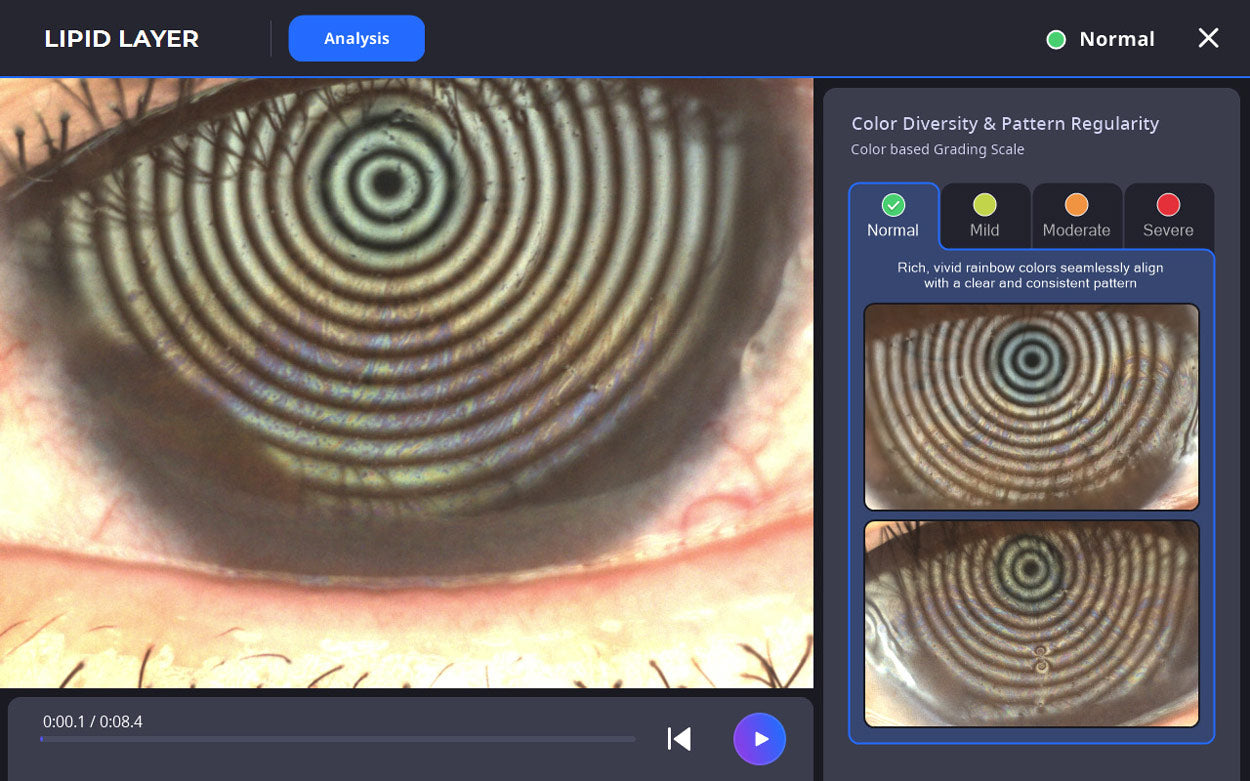
Lipid Layer Imaging for Tear Film Pattern and Color Analysis

This feature captures real-time images of the tear film lipid layer, enabling detailed observation of color and pattern changes. Recorded videos can be stored and used for tear film stability evaluation, clinical documentation, and patient education.
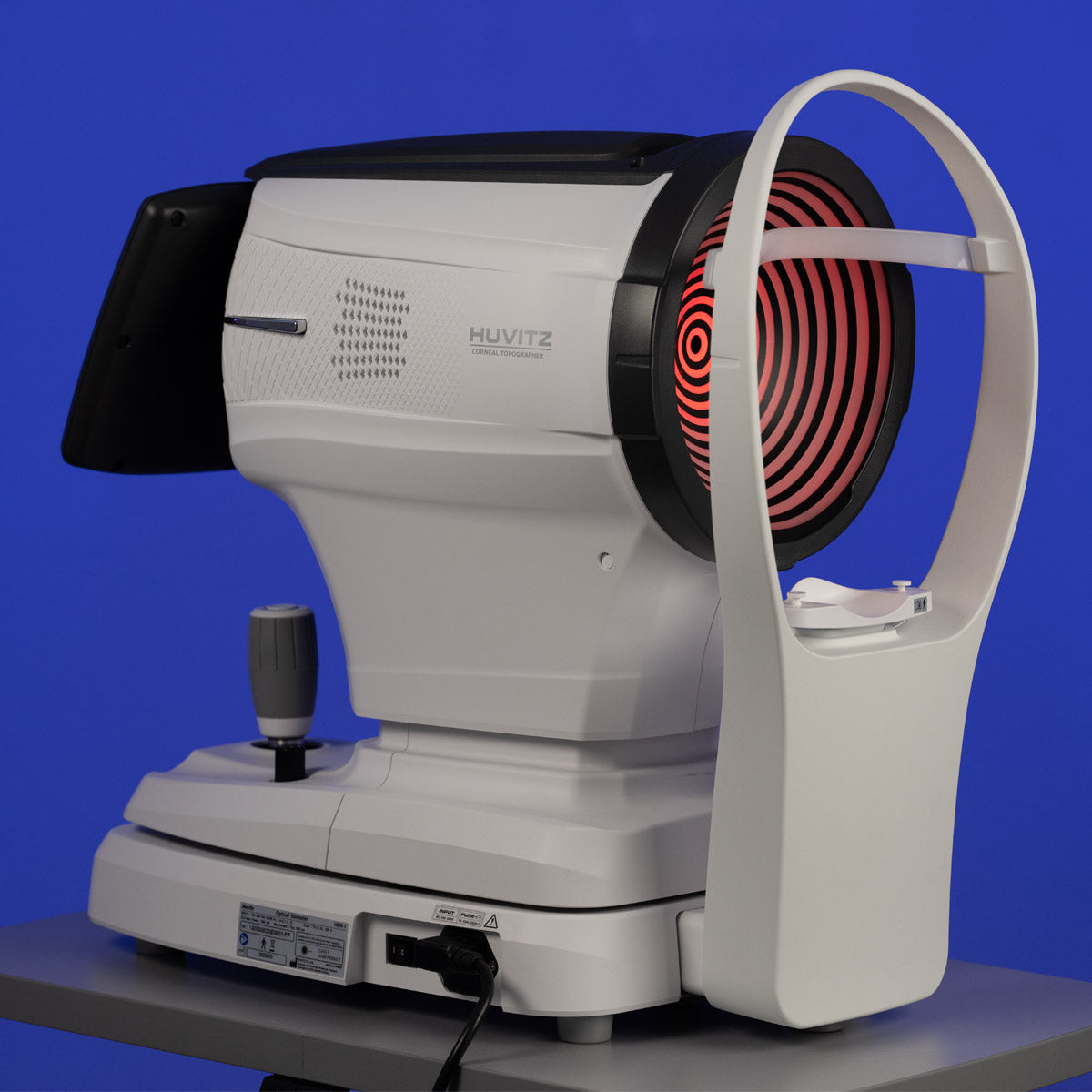
Image: Lipid Layer

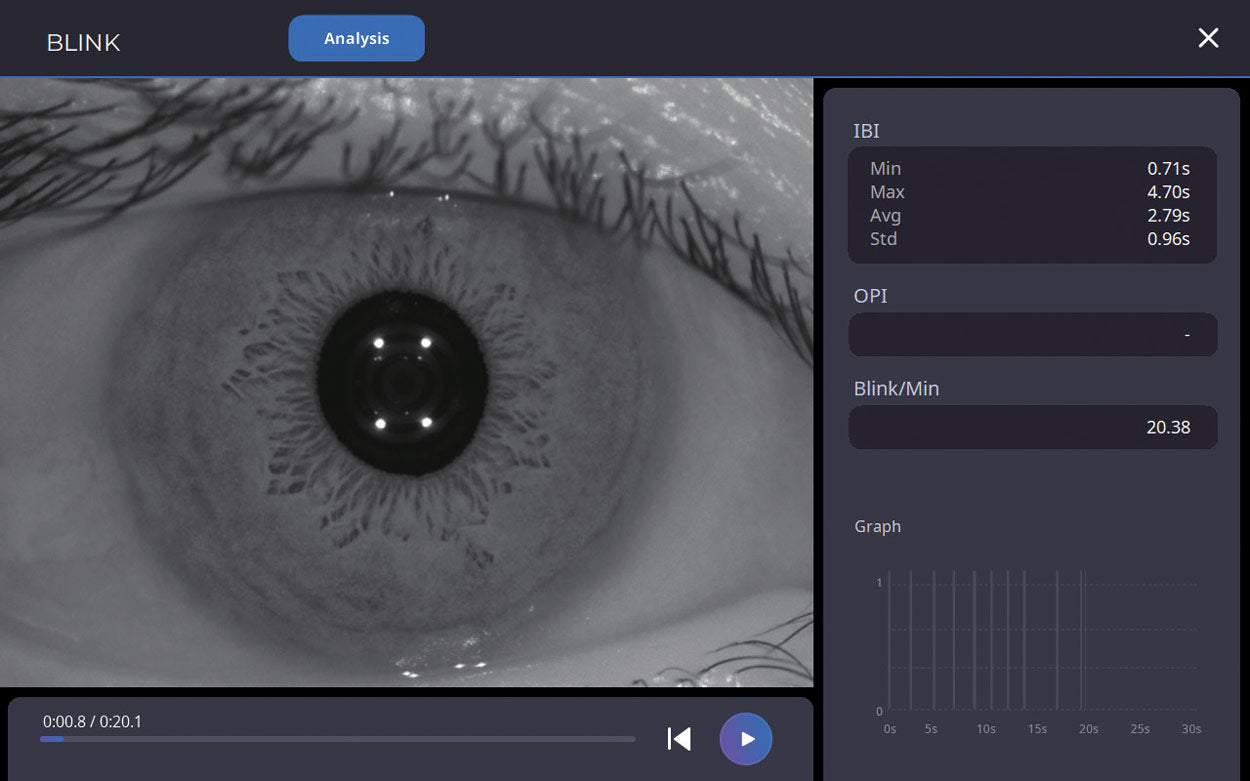
Evaporative Dry Eye Assessment Through Blink Interval Measurement

The HTG-1 D measures the inter-blink interval (IBI) to analyze blink patterns. It provides quantitative data on blink frequency and regularity, supporting dry eye diagnosis and lifestyle-based patient counseling.
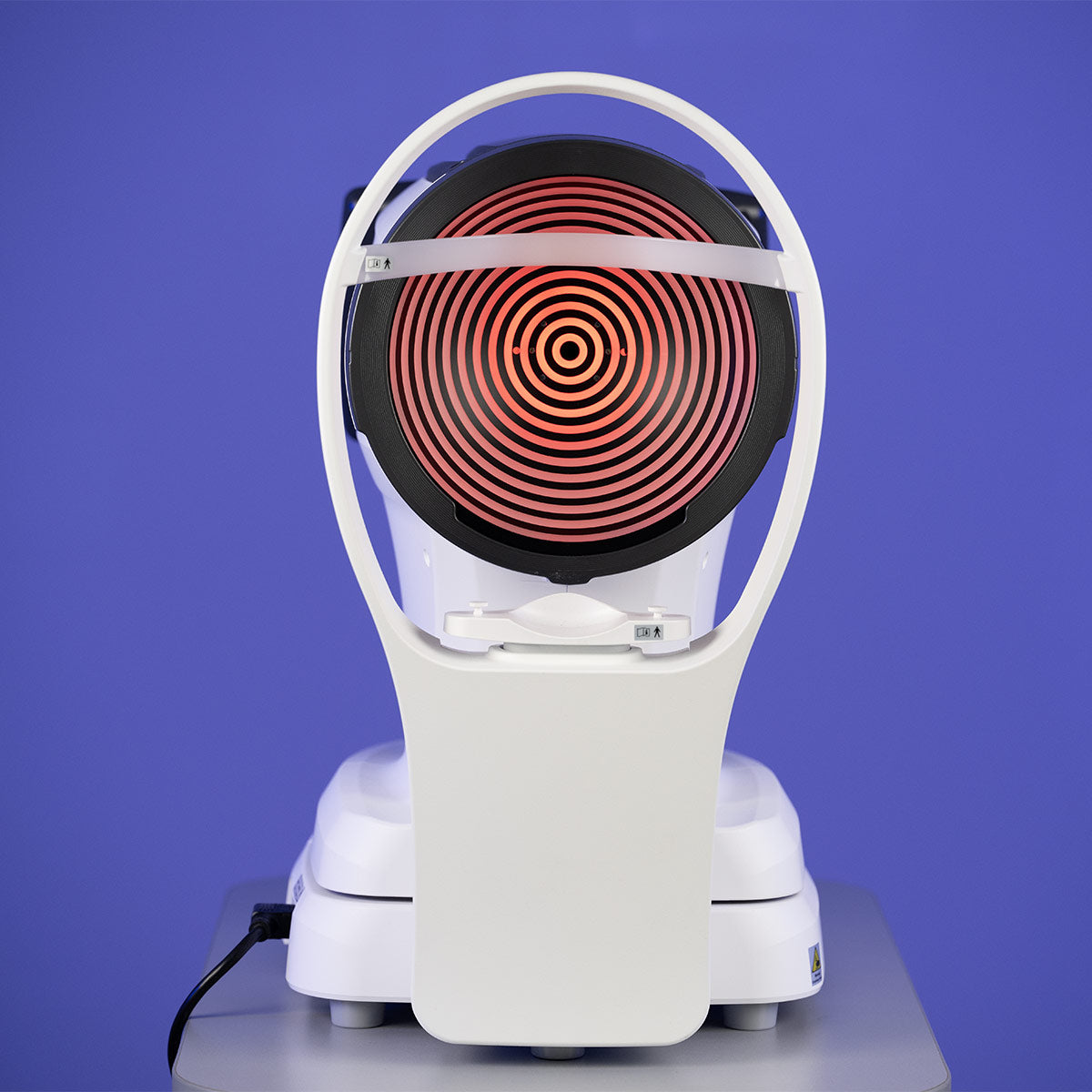
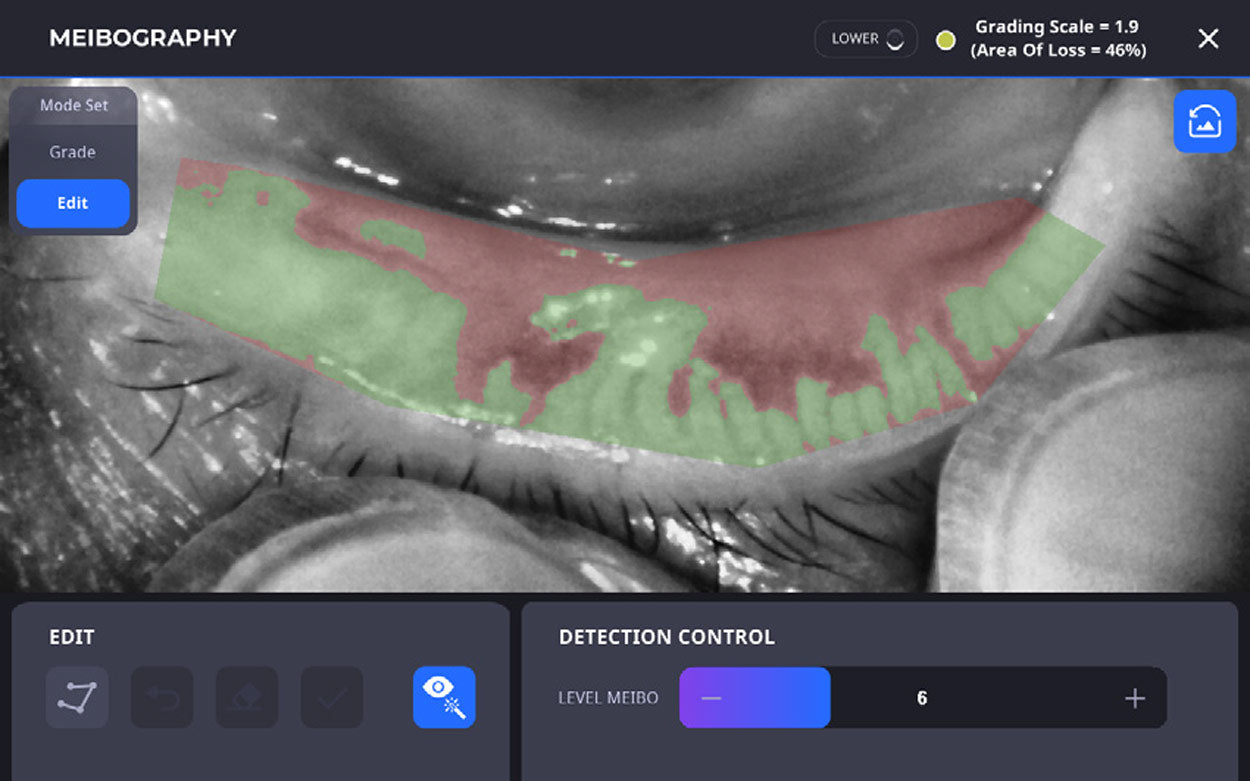
Image: Blink

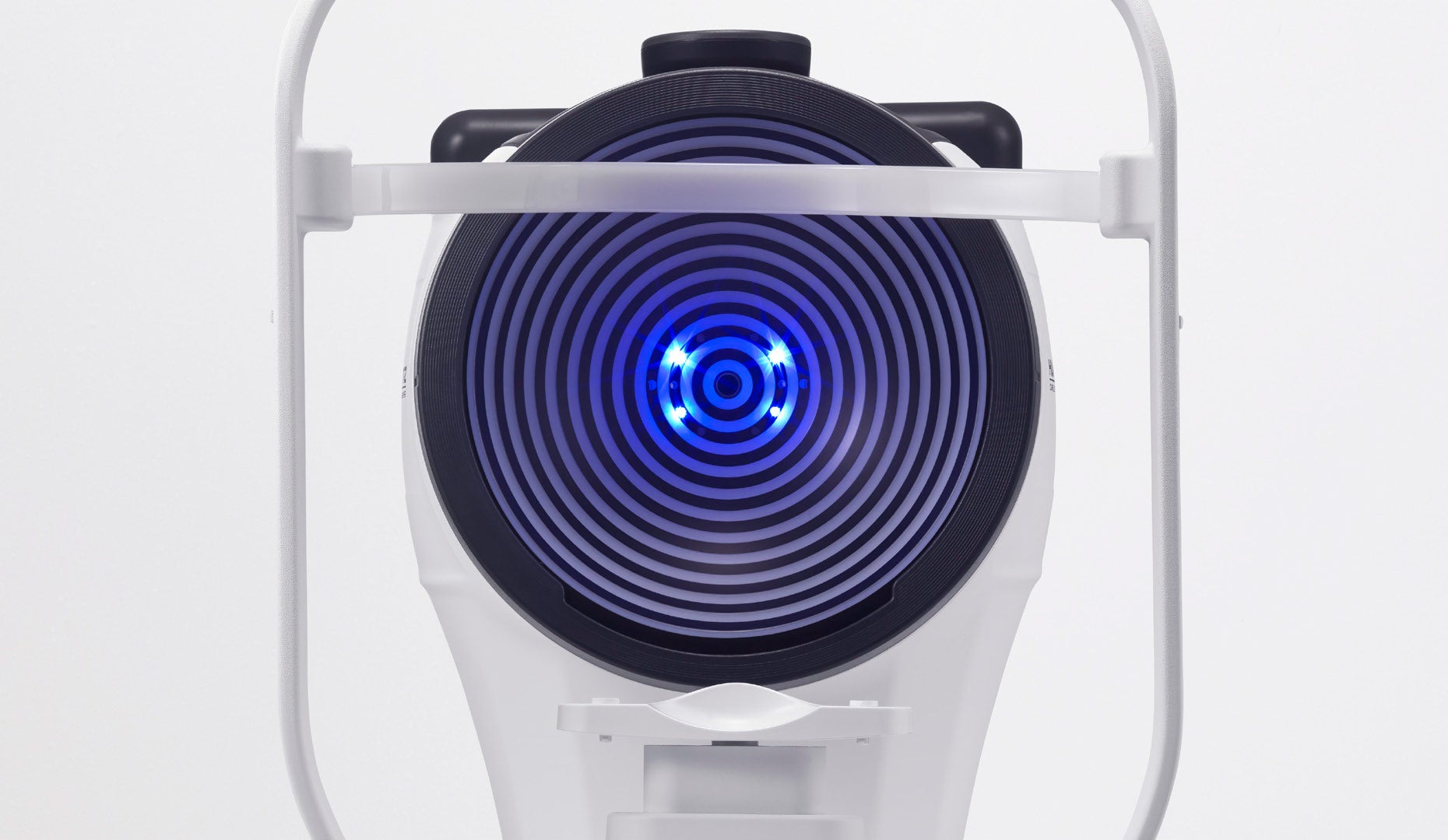
Fluorescein Imaging for Tear Film Evaluation

Utilizing blue LED-based fluorescein imaging, the HTG-1 D enables rapid and accurate detection of dry eye indicators, such as corneal staining and tear film distribution. It is also useful for evaluating pre- and post-contact lens conditions and monitoring tear film stability.

Imaging: BLUE Light

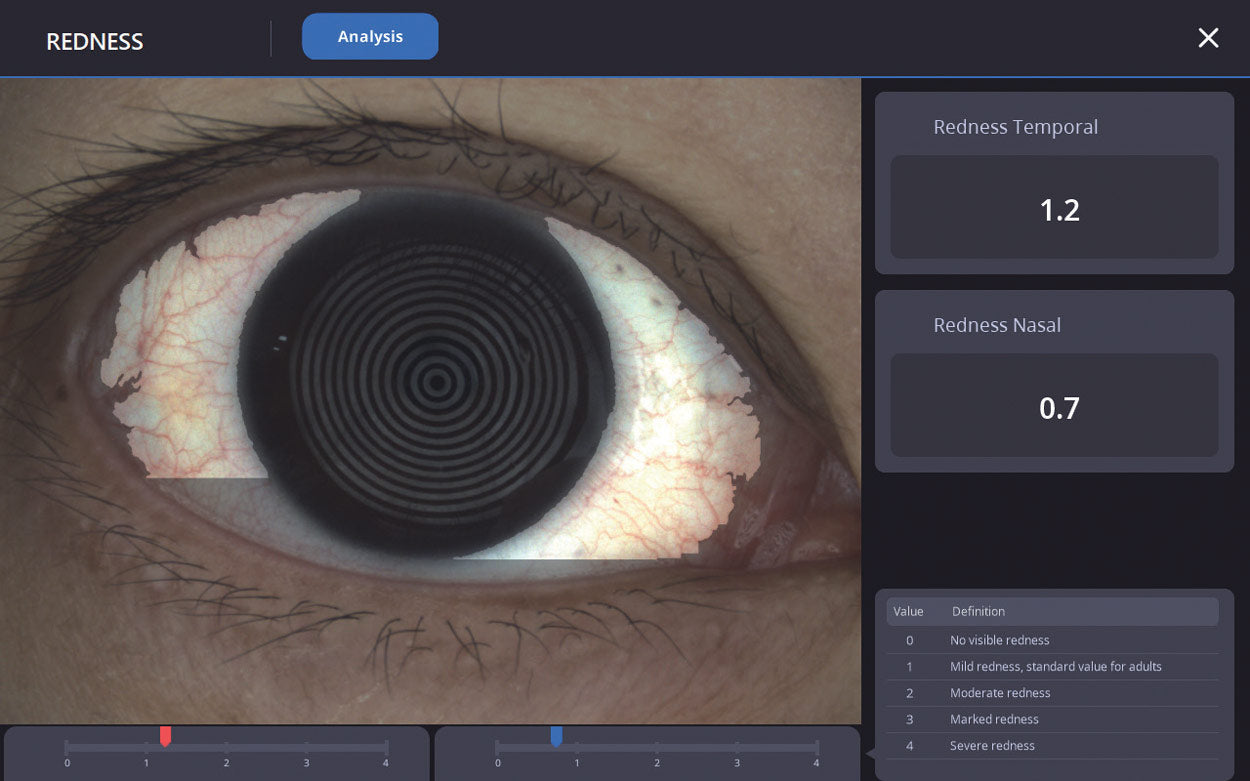
Ocular Redness Analysis for Inflammation Assessment and Eye Health Evaluation

The system automatically analyzes and quantifies redness in the cornea and conjunctiva, enabling objective evaluation of ocular inflammation and overall eye health, thereby enhancing diagnostic reliability.

Image: Redness

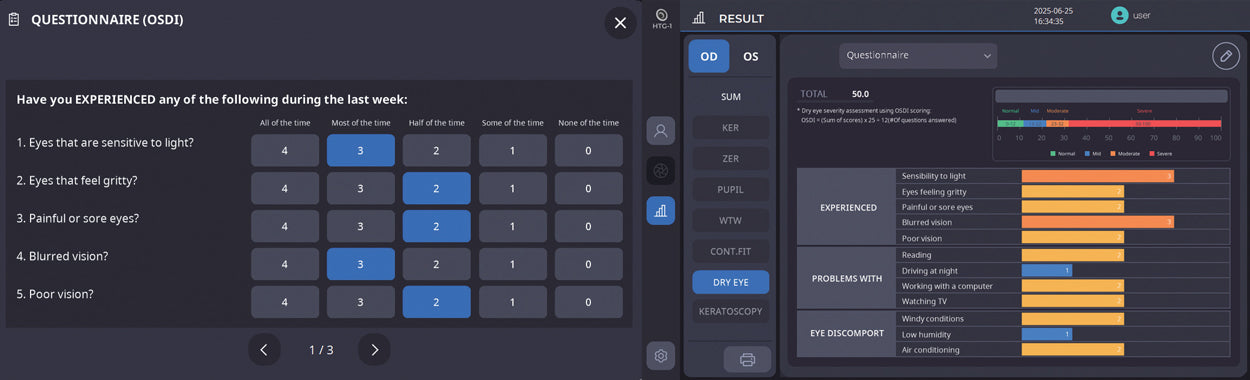
Dry Eye Self-Assessment with the Global Standard OSDI Questionnaire

El OSDI (Ocular Surface Disease Index) is an internationally recognized questionnaire for evaluating dry eye symptoms. It enables quantitative assessment of patient-reported discomfort and supports multiple languages, improving diagnostic efficiency and ensuring consistent evaluation across diverse clinical settings.

Image: OSDI Questionnaire

Integrated corneal analysis. Solution based on precise data

Using Placido disk-based analysis technology, the HTG-1 D evaluates with high precision detailed corneal parameters, including corneal curvature and shape, pupil size and response, refractive power variations, and corneal diameter.

The highly reliable data obtained by the system supports a wide range of clinical applications, such as early keratoconus detection, visual distortion analysis, preoperative evaluation for refractive surgery, and contact lens prescription and fitting.

Precision Corneal Analysis with Placido Disk Technology

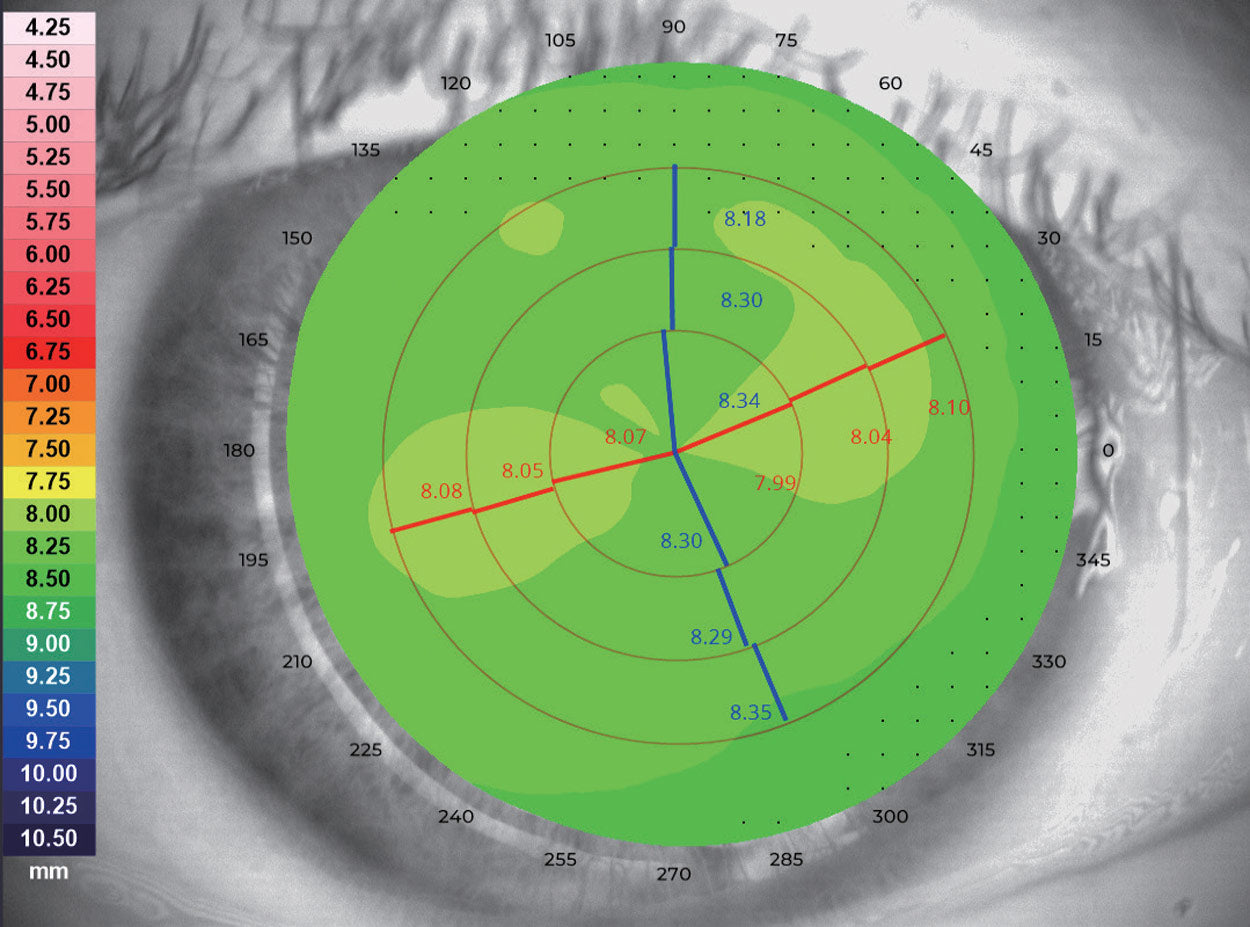
The HTG-1 D employs advanced Placido disk-based analysis to precisely measure a wide range of corneal parameters, including keratometry, corneal topography, keratoconus indicators, Zernike coefficients, pupillometry, and white-to-white distance. Results are presented in multiple map formats—axial, tangential, refractive power, and elevation—providing comprehensive information for evaluating corneal shape and health, prescribing corrective lenses, and planning cataract surgery.

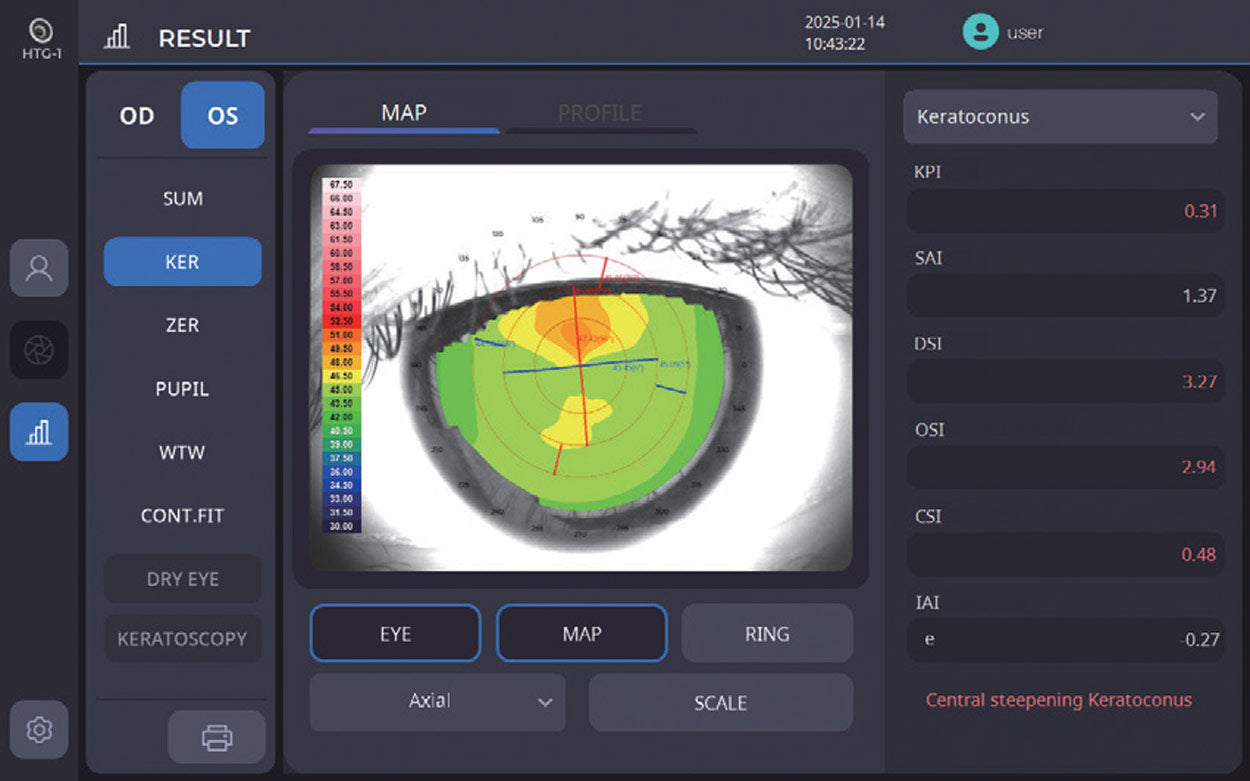
Early Keratoconus Detection Using Advanced Corneal Indicators

Through detailed analysis of anterior corneal curvature, regional shape, protrusion, and eccentricity, the HTG-1 D calculates the Keratoconus Prediction Index (KPI) to estimate the probability of keratoconus. The system presents clear, visualized results that support early detection and enhance diagnostic confidence.

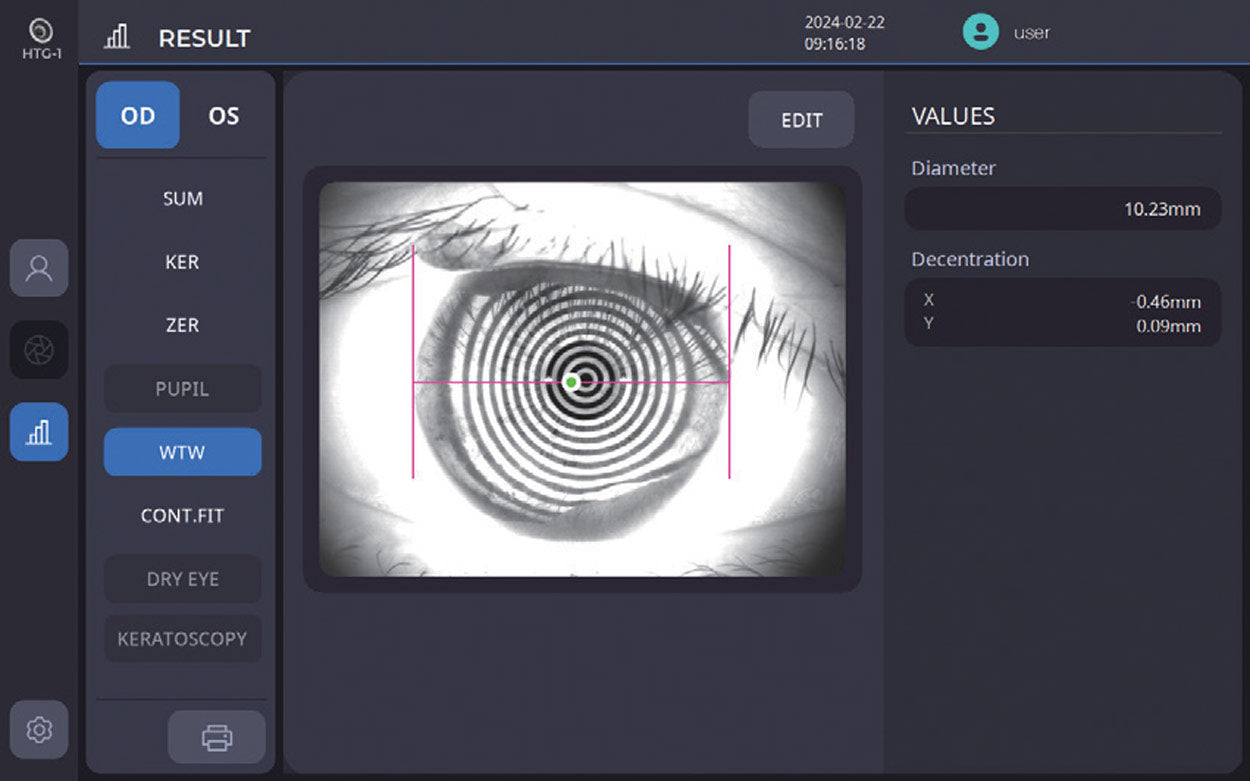
White-to-White Measurement for Accurate Corneal Diameter Evaluation

The HTG-1 D automatically measures corneal diameter, a key parameter for diagnosing and monitoring ocular conditions such as congenital glaucoma and cataracts, as well as for refractive surgery planning and contact lens fitting. An editing function allows manual adjustment and refinement of measurement values when needed.

Comprehensive Pupillometry Data Acquisition

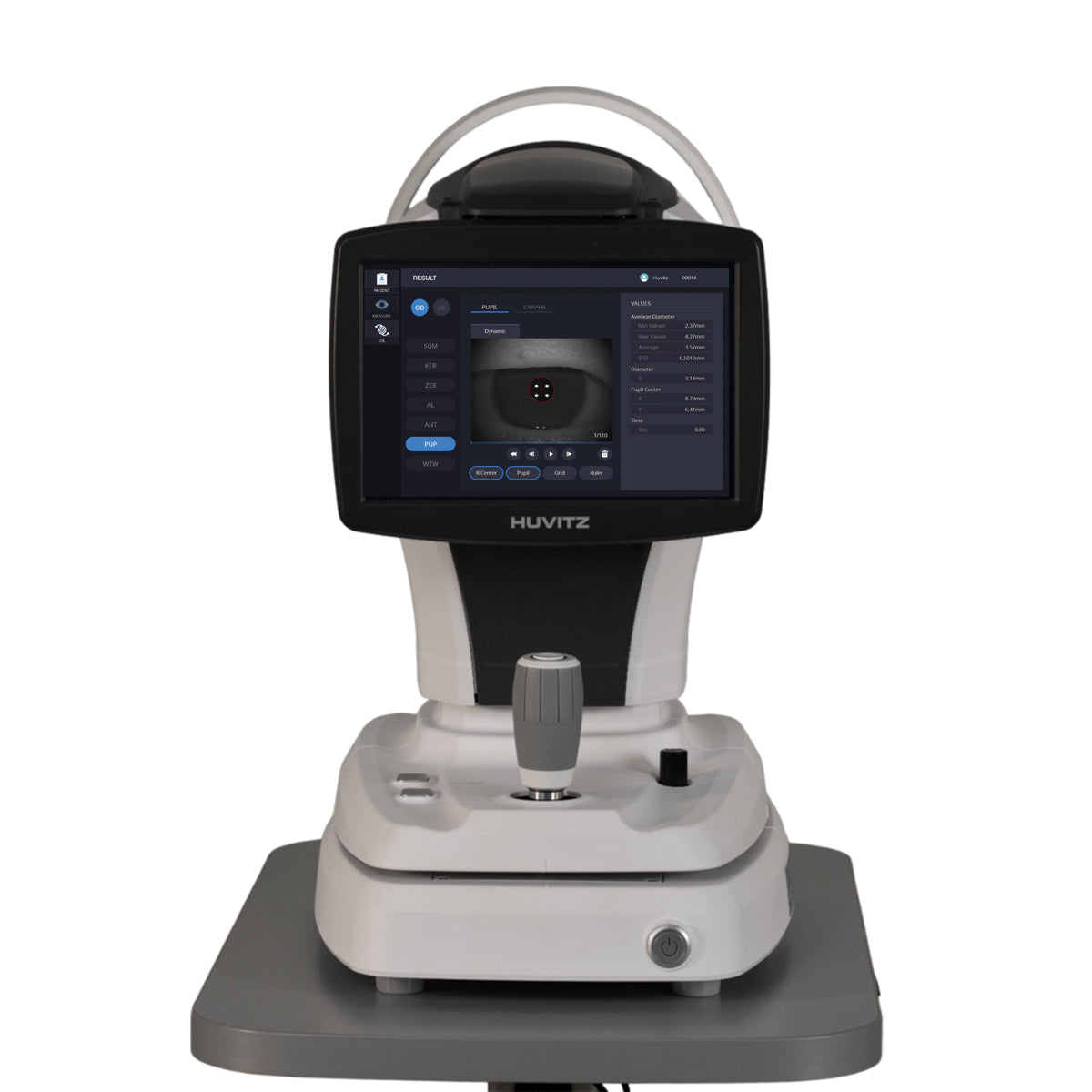
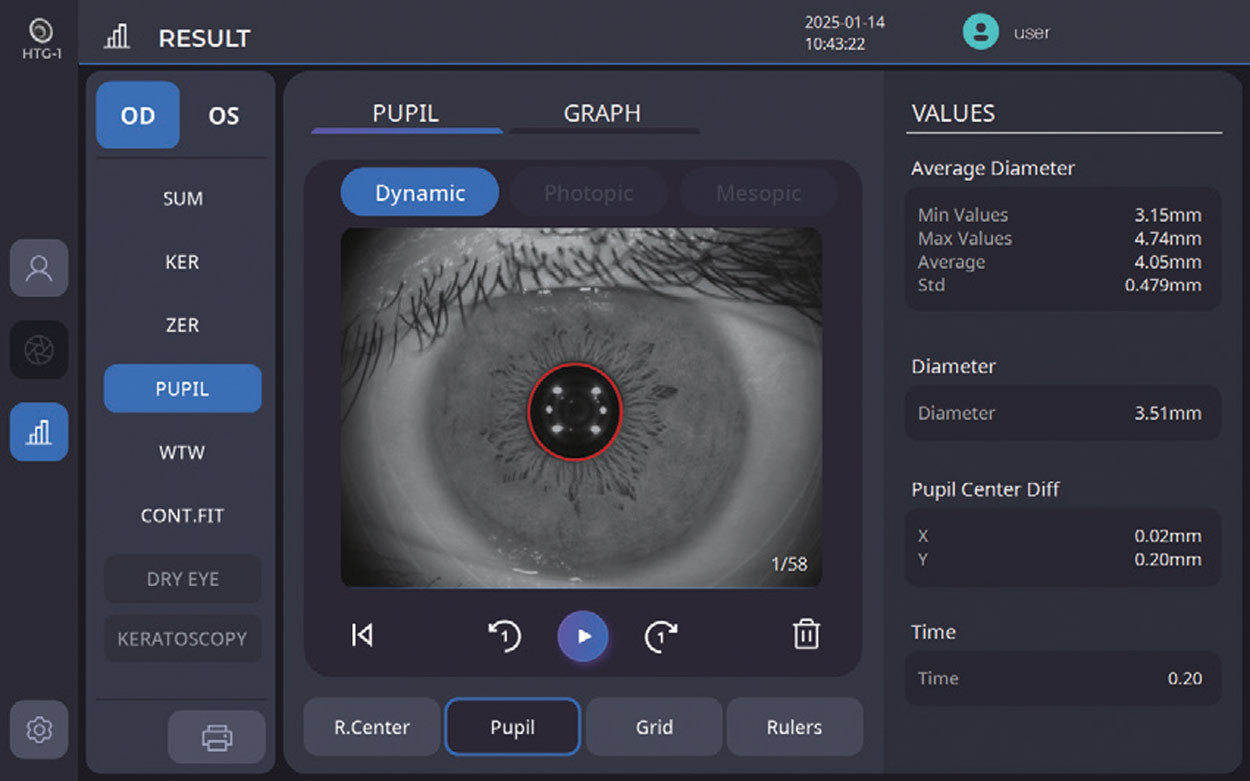
The HTG-1 D measures pupil size and responsiveness under photopic and scotopic conditions, providing key metrics such as minimum, maximum, and average pupil diameter, along with standard deviation, displayed in intuitive graphical formats. This information is valuable for lens prescription and preoperative evaluation of refractive surgery.

Efficient Contact Lens Fitting Without Fluorescein Application

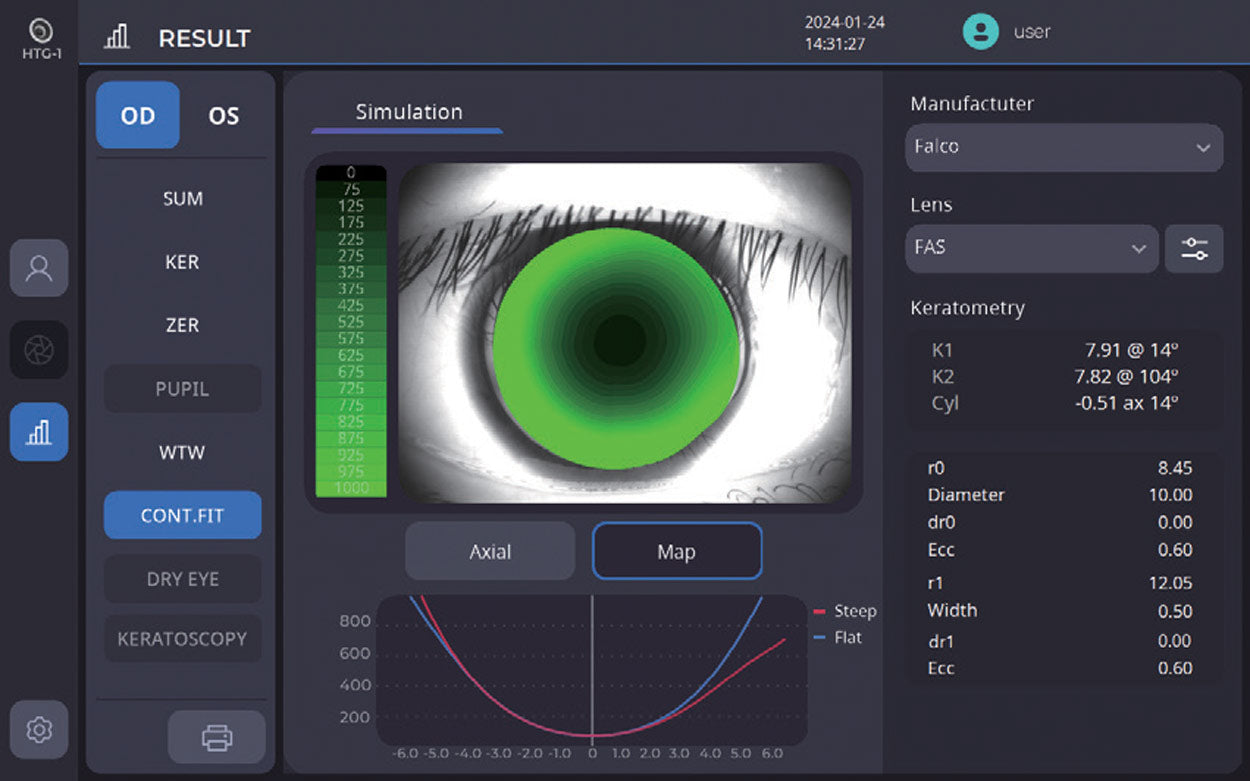
Utilizing a simulated fluorescein image filter, the HTG-1 D enables intuitive evaluation of both rigid and soft contact lens fitting without the need for dye instillation. This approach reduces patient discomfort while maintaining precise and reliable fitting assessments, enhancing overall clinical workflow.

Advanced Zernike Analysis for Visual Distortion Assessment

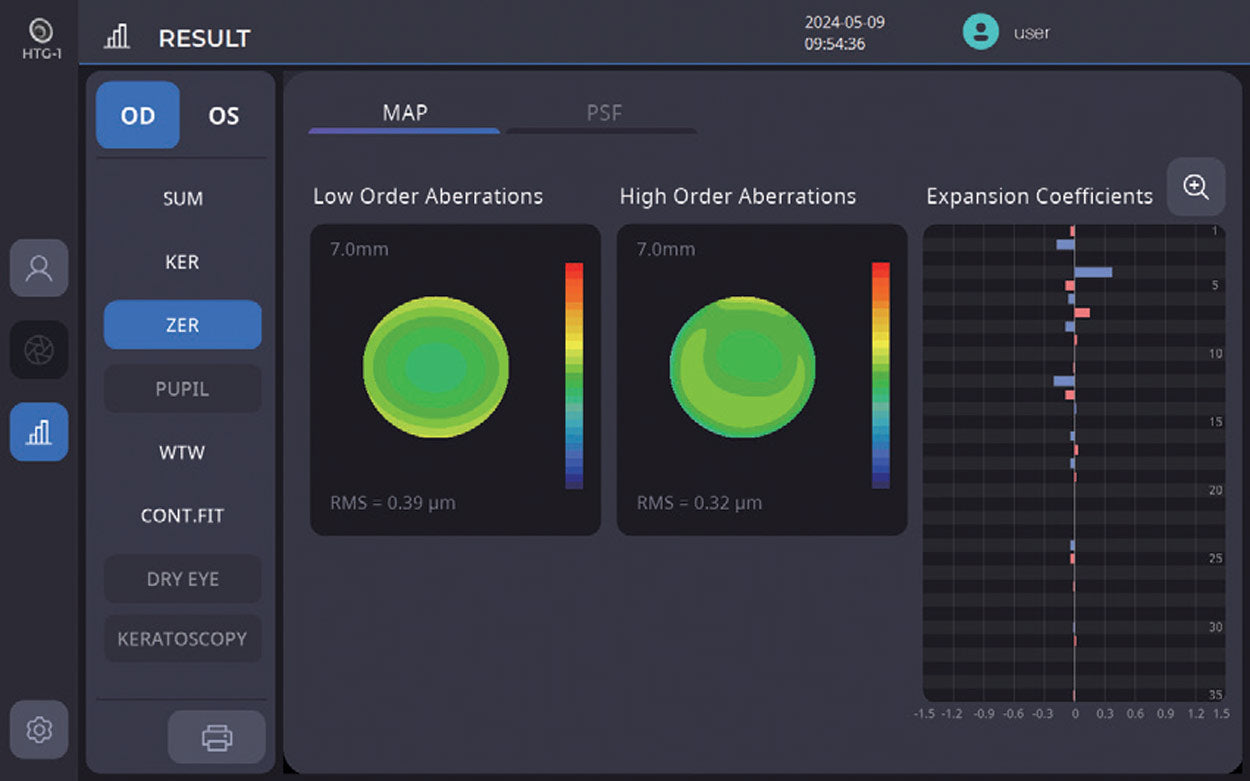
Leveraging Zernike coefficients and maps, the HTG-1 provides precise analysis of visual distortion factors, including refractive power variations, irregular astigmatism, and higher-order aberrations (HOAs). The system delivers clear, visualized data for better understanding and management of factors affecting visual quality.


Specifications

Manuals & Catalogs

Catalogs

Huvitz Corneal Topographer HTG-1 D